


Musty Basement Smell With No Visible Water: What It Usually Means
A musty basement smell with no visible water usually indicates hidden, intermittent, or trapped moisture in porous materials rather than a completely dry basement. High humidity, seepage behind finished walls, condensation, damp concrete, mould growth, or an unused drain can all create the odour. The next step is to identify the source before masking the smell.
Key Takeaways
- A dry-looking basement can still contain moisture behind drywall, under flooring, around plumbing penetrations, in concrete, or in stored materials.
- High humidity can create a musty odour even without a leak, but a dehumidifier will not resolve ongoing seepage or a plumbing defect.
- Mould can grow on damp materials even without standing water, so a smell alone is not proof that the space is dry or that mould is present.
- Floor drains, dry traps, leaking drain lines, and venting problems can create odours that homeowners sometimes describe as musty.
- The lasting fix is to diagnose the source first, then match the repair to humidity, plumbing, drainage, or waterproofing conditions.
Hidden Moisture Sources Behind Walls and Under Slabs
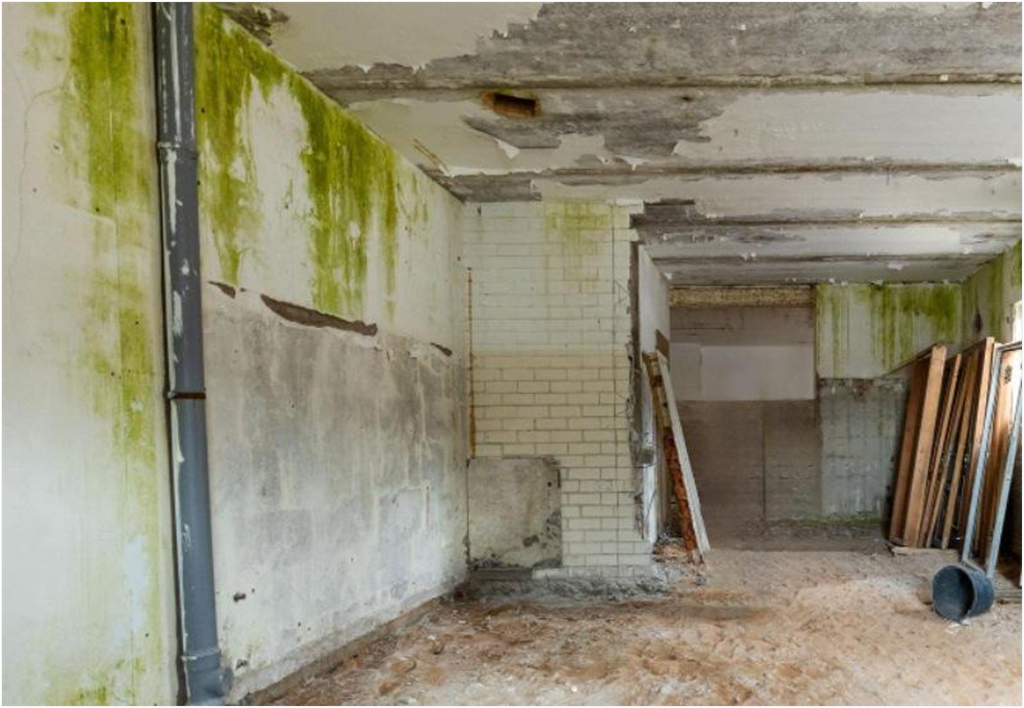
Hidden moisture is a common cause of a musty basement smell, even when the floor looks dry. Water can accumulate behind finished walls, beneath flooring, around foundation cracks and pipe penetrations, inside insulation, under stored materials, or at the edge of a concrete slab.
A musty basement smell refers to an earthy or stale odour that often signals excess moisture, damp materials, microbial growth, or a drainage-related source. The odour is a clue, but you still need to trace the source.
Check for swollen baseboards, loose flooring, mineral deposits on masonry, rust, damp cardboard, or a wall that feels cooler and clammy than the rest of the room. A small pipe leak can wet a wall cavity without reaching the visible floor.
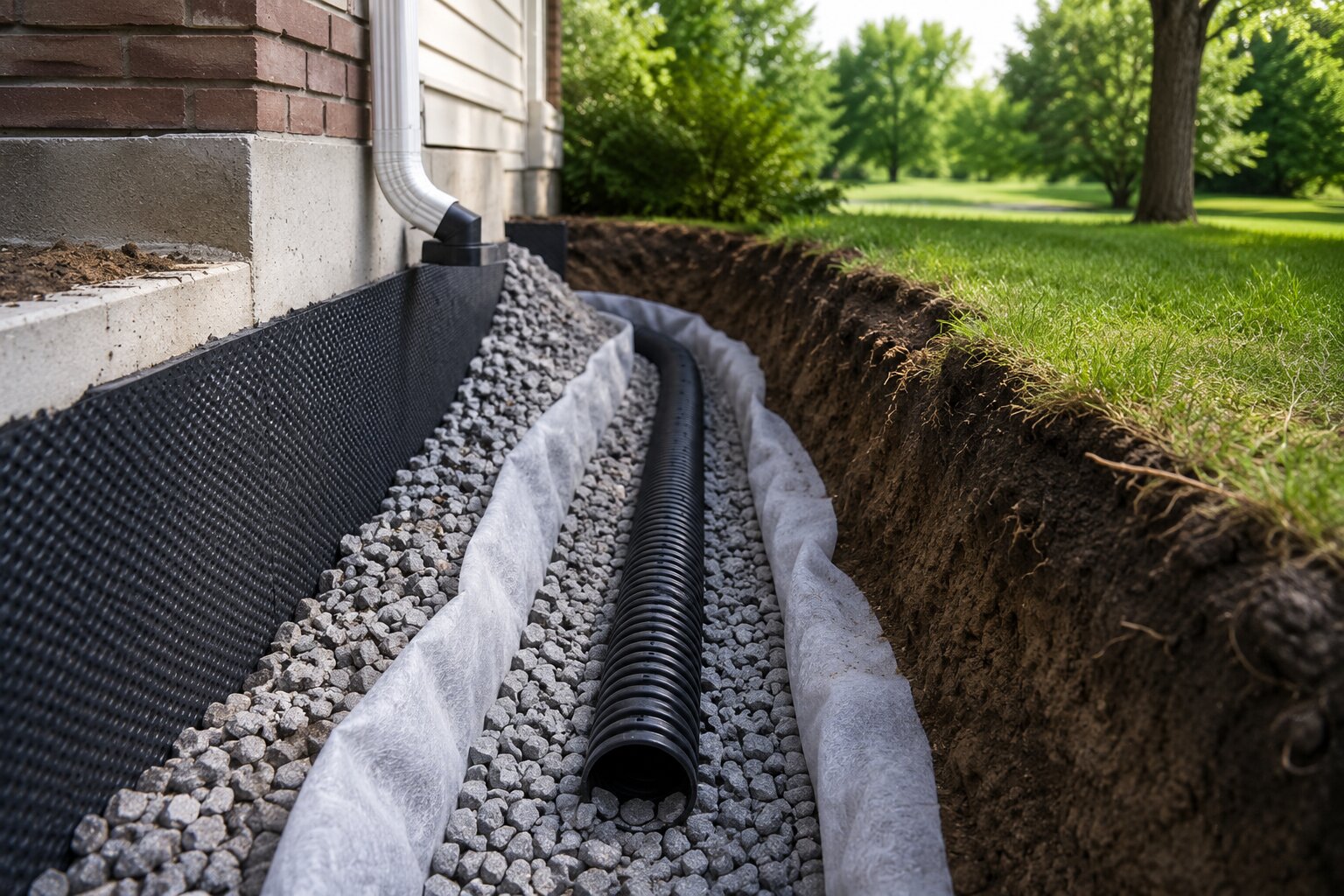
If the pattern indicates water entering through the foundation or around the slab rather than a fixture leak, basement waterproofing or a broader review of basement flooding solutions may be the appropriate next step.
Humidity Versus Active Water Intrusion
High humidity and active water intrusion can both cause a musty basement smell, but they usually leave different patterns. Humidity tends to affect the room more broadly, while seepage or a leak is more likely to create a repeatable wet area, stain, damaged finish, or odour that becomes stronger after a specific event.
Start with a hygrometer, which measures relative humidity. Health Canada recommends keeping indoor relative humidity between 30% and 50%. If your basement stays above that range, a dehumidifier and improved air circulation can help reduce dampness while you continue looking for the cause.
See Health Canada guidance on moisture and mould for humidity and moisture-control guidance.
| Clue | High Humidity / Condensation | Active Water Intrusion |
| Pattern | Dampness is broad; cool surfaces may feel clammy. | One wall, corner, floor edge or pipe area stays wetter. |
| Timing | Changes with indoor humidity, ventilation and temperature. | May return after rain, snowmelt or fixture use. |
| Visible signs | Condensation on cold pipes or windows; no clear entry point. | Stains, peeling finishes, efflorescence or swollen trim. |
| First check | Measure humidity; improve airflow or dehumidification. | Trace the water source before repairing finishes. |
How Mould Can Grow Without Standing Water
Mould can grow without standing water because it requires damp material, not a visible puddle. Drywall paper, wood, carpet backing, insulation, dust, and cardboard can retain enough moisture for growth after condensation, a small leak, past seepage, or prolonged high humidity.
Health Canada notes that mould may be hidden behind walls or above ceilings and that a musty or earthy odour can be a sign of excessive moisture. That does not mean every musty basement has a mould problem, and the smell cannot tell you the species or the size of any growth. It does mean the moisture source deserves attention.
For more detailed Canadian guidance, see the Health Canada Guide to Addressing Moisture and Mould Indoors.
When the Smell Points to a Drain or Sewer Issue
A musty basement smell can come from a drain or sewer pathway, especially when it is strongest near a floor drain, laundry standpipe, cleanout, sump area, or rarely used fixture. A dry trap, a loose cleanout cap, a leaking drain connection, or a venting defect can allow odours to enter the basement.
A floor drain normally has a water-filled trap that blocks gases from the drainage system. If the drain is rarely used, the water can evaporate. Restoring the water seal may resolve a simple dry-trap problem, but an odour that returns repeatedly, intensifies when other fixtures drain, or persists despite a filled trap should be investigated rather than masked.
When a camera inspection does not explain an odour, or the suspected problem involves a hidden drain or vent leak, plumbing smoke testing can help identify where gases are escaping from the system.
Testing and Diagnosing the Source Before You Fix It
The right fix starts with identifying the moisture or odour source, not masking it with fragrance or running a dehumidifier indefinitely. A simple diagnostic sequence can distinguish a humidity problem from a plumbing leak, drain issue, or water-intrusion problem before finishes are opened or repairs are quoted.
- Map the smell and timing: Note where it is strongest and whether it changes after rain or when plumbing fixtures are in use.
- Measure humidity: Use a hygrometer over several days. Consistently high readings point to a humidity problem that still needs control.
- Look for moisture clues: Check wall bottoms, pipe joints, ceilings below bathrooms, the sump area and floor edges for stains, swelling, corrosion or dampness.
- Check drains and traps: Make sure rarely used floor drains and fixtures have water in their traps, and note whether the odour changes.
- Trace plumbing and drainage: If the odour is linked to fixture use or a hidden line, a plumber can inspect supply piping, drains, cleanouts, venting and sewer connections.
- Match the repair to the source: Humidity needs drying and airflow; leaks need plumbing repair; seepage may need waterproofing; drain or vent defects need targeted correction.
If you want a broader check of the plumbing system while the source is still unclear, a home plumbing inspection can help identify visible plumbing risks and determine which specialist or repair path makes sense next.
Frequently Asked Questions
Can a Musty Smell Be a Plumbing Issue Instead of a Mould Issue?
Yes. A small plumbing leak, a dry floor drain trap, a drain or vent defect, or dampness around a pipe penetration can create odours without standing water. A musty smell does not automatically mean mould. The location where the smell is strongest, when it appears, and whether it changes as fixtures run can help narrow down the source.
Is a Dehumidifier Enough to Fix a Musty Basement Smell?
Sometimes, but only when excess humidity is the primary cause. A dehumidifier can reduce airborne moisture and lessen the odour, but it will not fix a leaking pipe, foundation seepage, a drain problem, or damp material hidden behind a wall. If the odour returns after humidity is controlled, keep investigating.
How Can I Tell if the Smell Is Coming From a Floor Drain?
The smell is more likely to originate from a floor drain if it is strongest at the drain and improves after the trap’s water seal is restored. If it returns, changes when other fixtures drain, or smells more like sewer gas than general dampness, a plumber can inspect the drain, cleanout and venting.
Should I Be Worried About a Musty Smell if I’ve Never Had Flooding?
Yes, it is worth investigating. Basements can become damp from high humidity, condensation, minor plumbing leaks, foundation seepage, or moisture trapped in porous materials, even without a visible flood. Identifying the source early can help limit damage to drywall, flooring, stored belongings, and other finishes.
Conclusion
A musty basement smell with no visible water is a clue, not a diagnosis. The cause may be manageable humidity, but it can also be hidden seepage, a plumbing leak, damp materials, or a drain or sewer pathway. If the smell keeps returning, ExpressRooter can assess your plumbing and drainage system, explain findings in plain language, and provide upfront flat-rate pricing before you approve any work. Book your plumber online to check the source instead of simply covering up the odour—honest plumbing, upfront pricing, no surprises.