


Spring Drain Maintenance Checklist for GTA Homeowners
Spring in the Greater Toronto Area brings longer days and warmer temperatures — but it also brings one of the busiest seasons for residential plumbing calls. As snow melts, ground thaws, and April rains begin, the stress on your home’s drainage system reaches its annual peak. The good news is that a small amount of proactive maintenance in March and April can prevent the majority of drain problems that send GTA homeowners scrambling for an emergency plumber in May.
This checklist covers the essential spring drain maintenance tasks every GTA homeowner should complete before the season gets underway. Some of these you can do yourself. Others are worth having a professional handle, particularly if your home has older clay or cast-iron drainage pipes that are common across much of Toronto, Mississauga, Etobicoke, and the surrounding municipalities.
Why Spring Is the Highest-Risk Season for Drain Problems
During winter, ground movement caused by freeze-thaw cycles shifts the soil around your underground pipes. Roots that have been dormant through the colder months begin growing aggressively in spring, seeking moisture in any nearby crack or joint. Debris that collected in gutters and downspouts over fall and winter now enters the drainage system as snowmelt flows through. And in the GTA specifically, the clay-heavy soil in many neighbourhoods contracts and expands significantly with temperature changes, putting ongoing pressure on pipe joints.
All of this combines to make spring the season when slow drains, backups, and more serious blockages are most likely to surface. Addressing potential issues in March or early April — before the heavy spring rains arrive — is significantly less expensive and disruptive than dealing with a flooded basement in May.
The Spring Drain Maintenance Checklist
1. Check All Indoor Drains for Slow Flow
Walk through every room in your home and run water in every sink, tub, and shower. A drain that empties slowly is not just an inconvenience — it’s an early warning sign of a partial blockage building in the pipe. Left unaddressed, partial blockages become full blockages, and full blockages can cause sewage to back up into the home.
If multiple drains in the home are running slowly simultaneously, the problem is likely in the main stack or sewer line rather than individual branch pipes. This is a job for a professional with a drain camera.
2. Inspect and Clean Exterior Drains and Window Wells
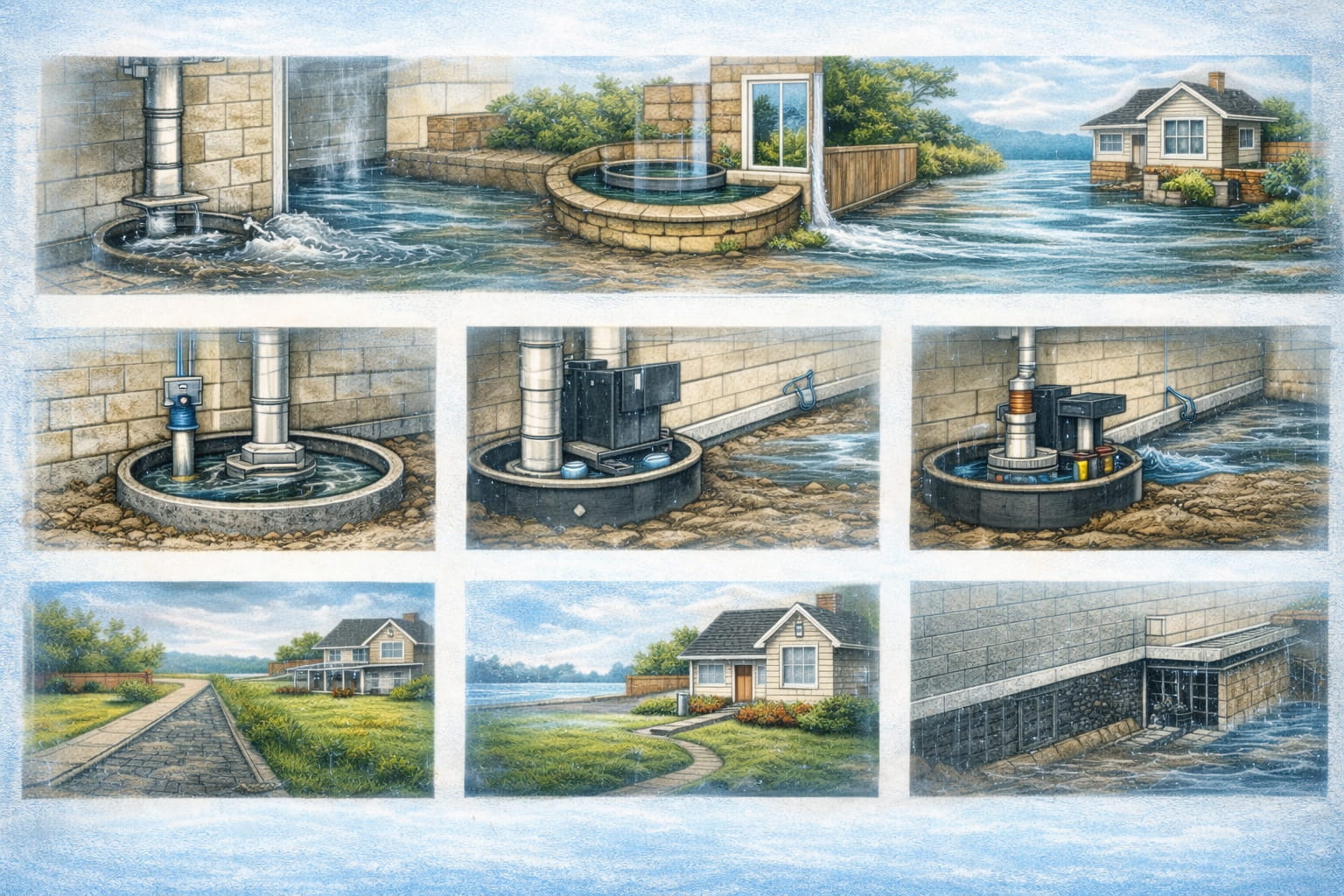
Exterior drains around your home’s foundation — including window wells, sump pump discharges, and any surface drains in driveways or patios — should be cleared of leaves, debris, and any ice that may still be present in early spring. A blocked exterior drain can direct water toward your foundation instead of away from it, which is one of the leading causes of basement flooding in the GTA.
3. Test Your Sump Pump Before It’s Needed
Your sump pump sits dormant through most of winter and spring is when it needs to perform. Test it by pouring a bucket of water slowly into the sump pit. The pump should activate automatically and discharge the water cleanly. If it doesn’t activate, activates but doesn’t fully discharge, or makes unusual noises, have it serviced before spring rains arrive. A sump pump failure during a heavy rainfall event is one of the most common causes of basement flooding in the GTA.
4. Inspect Downspouts and Ensure They Direct Water Away From the Foundation
Walk the perimeter of your home and check that every downspout is securely connected and directing water at least six feet away from the foundation. Downspouts that discharge directly against the foundation wall — or worse, into a disconnected underground drain — put your basement at risk with every rainfall. Extensions are inexpensive and easy to add if your current setup is inadequate.
5. Check Your Backwater Valve
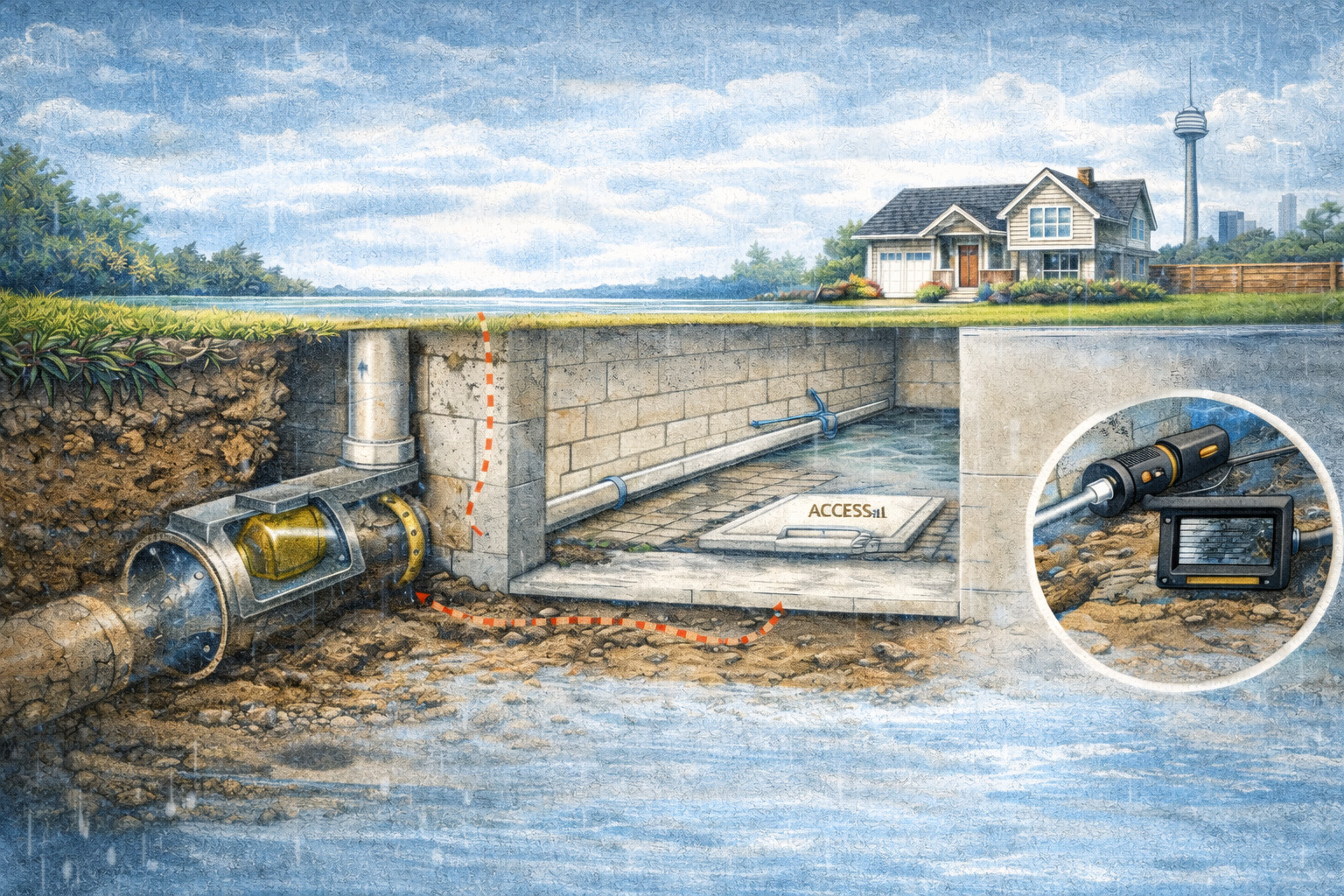
If your home has a backwater valve — a device that prevents city sewer backflow from entering your home — spring is the right time to confirm it’s operating correctly. Open the access panel (typically a rectangular cover in your basement floor) and visually confirm the flap is clean and moves freely. If you’re unsure whether your home has a backwater valve, or if it’s never been inspected, this is worth having a plumber check. The City of Toronto offers up to $3,400 in subsidies for backwater valve installation for homeowners who don’t have one.
6. Schedule a Drain Camera Inspection If Your Home Is Over 20 Years Old
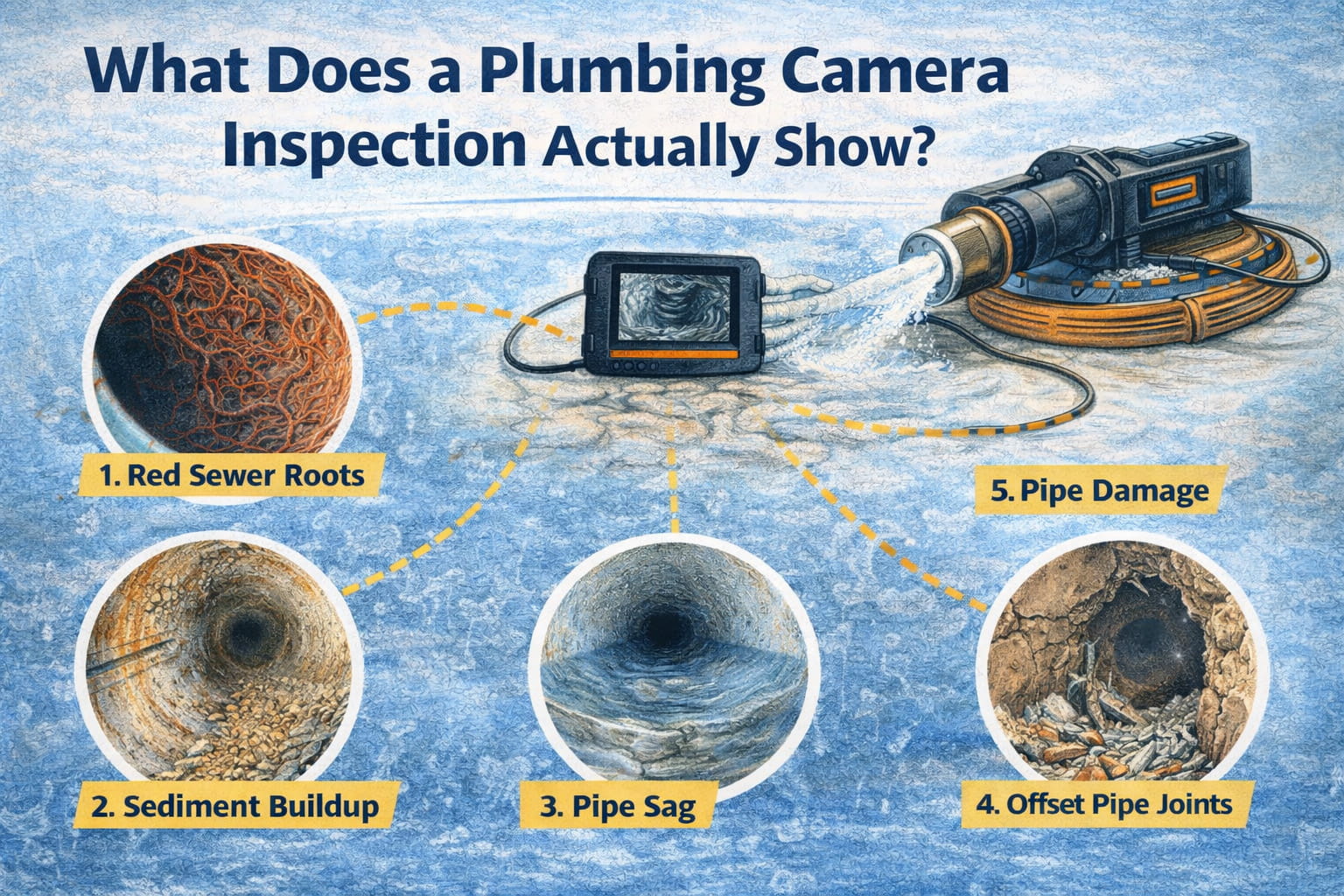
Camera inspection technology allows a plumber to run a small waterproof camera through your main sewer line and see exactly what’s happening inside the pipe — root intrusion, cracks, offset joints, sediment buildup, or corroded sections. For homes built before the mid-2000s across the GTA, this inspection is the most reliable way to understand the condition of your underground drainage before problems surface at the worst possible time. ExpressRooter currently offers $150 off a scheduled main sanitary line camera inspection for homeowners booking online.
7. Consider a Professional Drain Cleaning
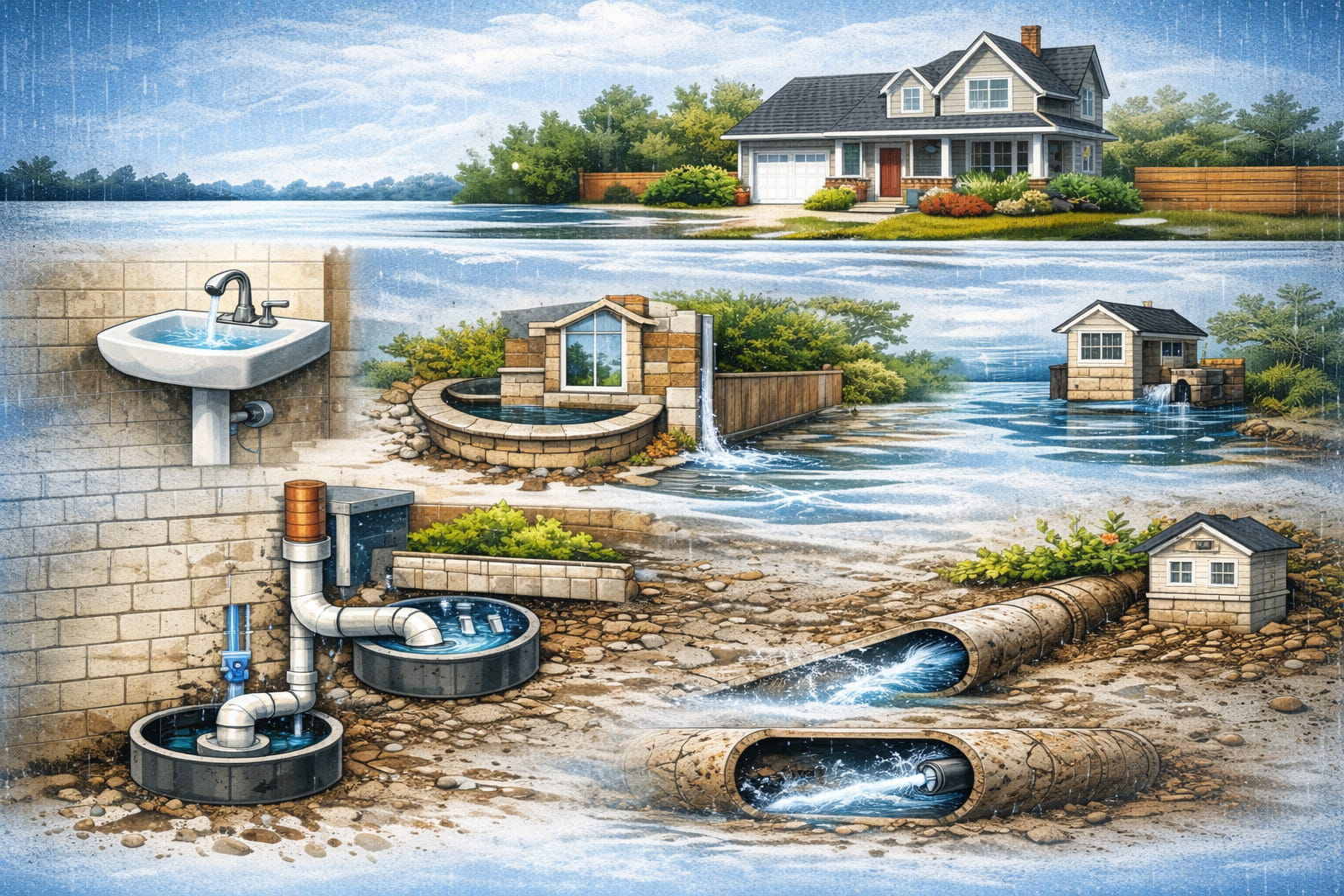
Even drains that appear to be flowing normally can have partial buildup of grease, soap scum, hair, and other residue that has been accumulating for months. A professional high-pressure water jetting service — also called hydro jetting — clears this buildup completely and restores pipes to full flow capacity. It’s particularly valuable for kitchen drain lines, which build up grease deposits faster than any other drain in the home.
When to Call a Plumber
Some spring maintenance tasks are well within a motivated homeowner’s capabilities — cleaning exterior drains, testing your sump pump, and checking downspouts require no special tools or knowledge. But if you notice any of the following, call ExpressRooter rather than waiting to see if the problem resolves on its own:
- Multiple drains running slowly at the same time
- Gurgling sounds from drains when water drains elsewhere in the house
- Water backing up in basement floor drains
- Sump pump that doesn’t activate or doesn’t fully discharge
- Any sewage odour inside the home
These symptoms indicate a problem in the main drainage system that will worsen without professional attention. Early intervention is almost always significantly less expensive than emergency service after a backup or flood occurs.
Protect Your Home Year-Round
Spring drain maintenance is one component of a broader home protection strategy. ExpressRooter’s Home Protection Plans provide GTA homeowners with seasonal maintenance visits that include plumbing inspections and drain health checks four times per year — ensuring your drainage system is in good condition through every season, not just spring.
Ready to book your spring drain maintenance? Call ExpressRooter at 416-233-2660 or book online at expressrootertoronto.com. We serve the entire GTA including Toronto, Mississauga, Etobicoke, North York, Markham, and Vaughan.