


Trenchless Pipe Repair Explained: How It Works and When It’s the Right Choice
Trenchless pipe repair is a method to rehabilitate or replace an underground sewer or drain line with far less excavation than a traditional open trench. Depending on the pipe’s condition, the repair may require a cured-in-place liner or pipe bursting. ExpressRooter’s plumbers weigh both options during the camera inspection and recommend or arrange whichever suits the line.
Key Takeaways
- Trenchless pipe repair minimizes surface excavation, but most jobs still require one or more access points.
- Pipe lining rehabilitates the existing pipe from the inside, while pipe bursting breaks the old pipe apart and pulls a new pipe into its path.
- A sewer camera inspection is the first step because the repair method depends on the pipe’s shape, alignment, damage, access, and surrounding conditions.
- Trenchless work can reduce the need for restoration of lawns, driveways and finished areas, but it is not the right method for every collapsed, badly offset or poorly graded line.
- Price and timing depend on the specific pipe and site, so the useful number is a written flat-rate quote after diagnosis, not a generic per-foot estimate.
What Trenchless Pipe Repair Actually Means
Trenchless pipe repair means repairing or replacing a buried pipe without opening a continuous trench along the full length of the line. It is an umbrella term for several methods that use the existing pipe route as the pathway for the repair, which can sharply reduce how much of your yard, driveway or finished space has to be disturbed.
The term “no-dig” does not mean zero excavation. A residential job may still require a cleanout, an existing access point, or small launch and receiving pits; the difference is that the full sewer line is not exposed.
ExpressRooter offers trenchless pipe repair for underground drain and sewer problems across the GTA. The first decision is not “trenchless or digging” by default; it is what the inspection shows and which method resolves the actual defect without creating a new one.
How Pipe Bursting and Pipe Lining Work
Pipe bursting replaces the old pipe with a new one, while pipe lining creates a new structural pipe inside the existing one. Both reduce the need for a full-length trench, but they address different problems and have different site requirements.
Pipe Bursting
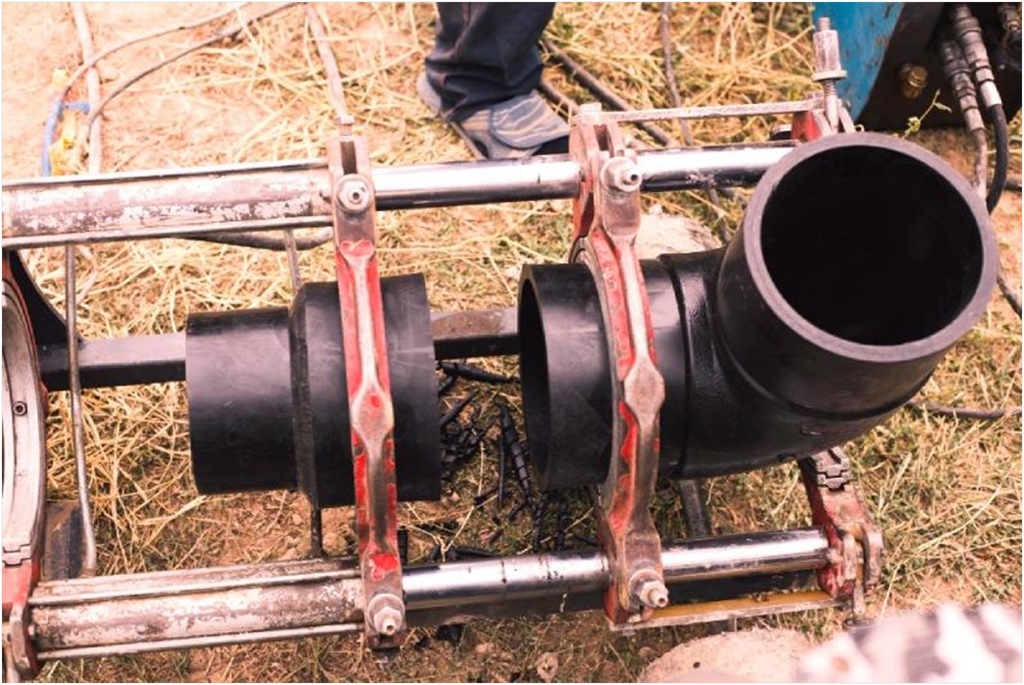
For pipe bursting, a pulling system is routed through the existing line. A bursting head and expander fracture or split the host pipe and displace it outward while a replacement pipe is pulled into the same pathway. Because the old pipe is replaced rather than simply coated, bursting can be useful when a line is too deteriorated for lining and, in suitable conditions, can allow a larger replacement pipe.
Bursting still requires workable access, room for the new pipe, and surrounding conditions that can tolerate displacement. A site-specific diagnosis is required before anyone promises that a burst is possible.
Pipe Lining
Cured-in-place pipe lining, often shortened to CIPP, begins with cleaning and preparing the host pipe. A resin-saturated flexible liner is inserted, pressed against the inside wall, and cured in place, creating a seamless pipe within the old pipe. The original route remains in service, while the liner becomes the renewed interior structure.
Lining suits many cracks, leaks, root entry points, and corrosion issues when the host pipe has generally retained its shape. It also follows the existing line and grade, so it does not correct a significant belly, poor slope, or severe misalignment. A sewer camera inspection helps determine whether the pipe is open and structurally suitable for the planned repair.
Signs Your Home Is a Good Candidate for Trenchless Repair
Your home may be a good candidate for trenchless repair when the damaged line is underground, the route is still usable, and the defect can be reached through practical access points. The deciding evidence comes from inspection, not from the age of the house or the pipe material alone.
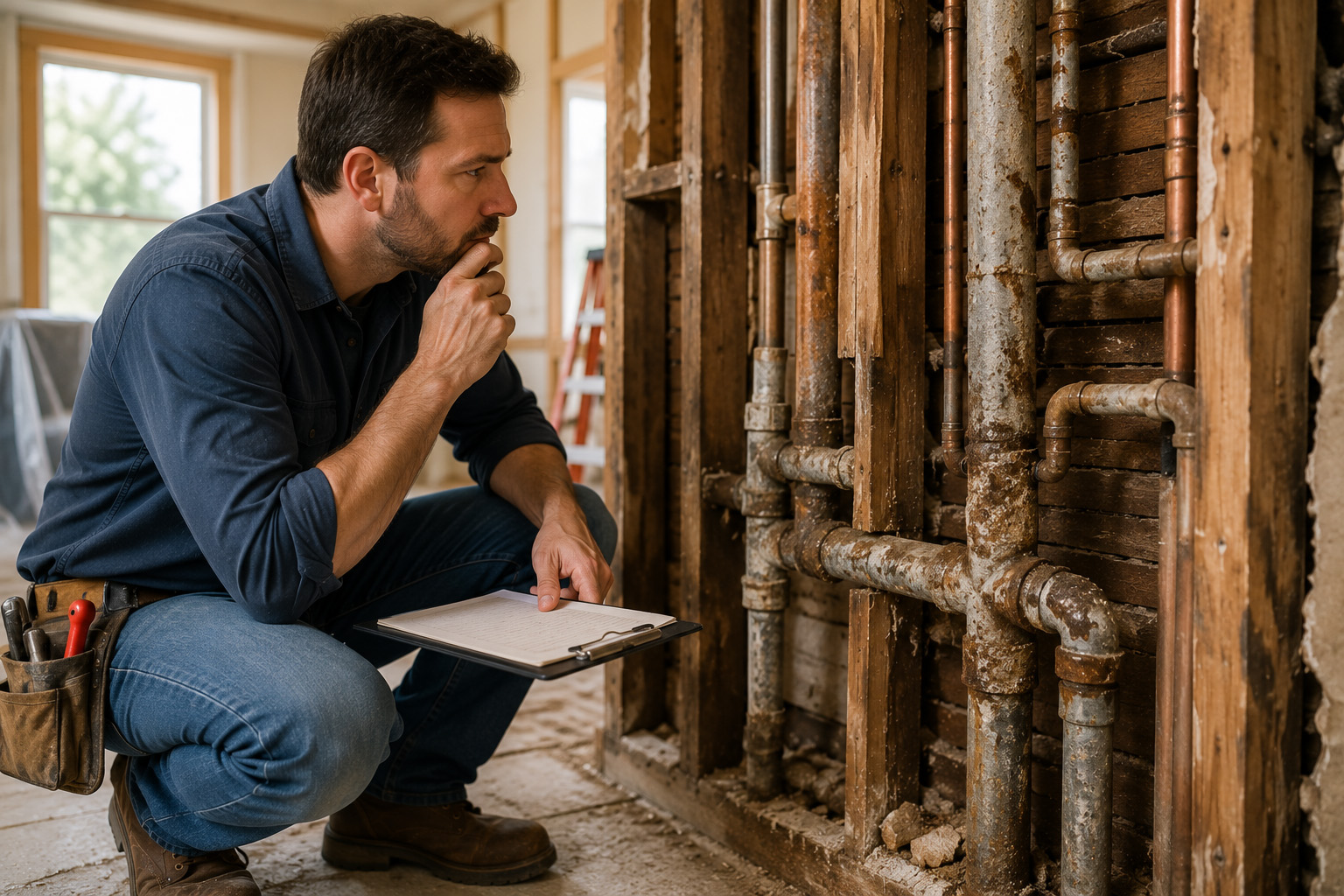
For established GTA homes, trenchless methods are worth evaluating when roots, cracks, corrosion, leaking joints or repeated backups point to a failing building sewer. Clay and cast iron lines may be repairable with lining or replaceable by bursting, depending on what the camera shows.
You may have a strong trenchless case when:
- The line runs under a driveway, mature landscaping, a finished patio, or another surface you would rather not rebuild.
- The pipe is damaged but still has enough open pathway for cleaning, inspection and equipment access.
- The existing route and slope are acceptable and do not need to be redesigned.
- There is practical access via a cleanout, basement connection, exterior pit, or another planned entry point.
- The inspection shows a long section of deteriorated pipe, for which a structural renewal or full replacement is more appropriate than repeated spot repairs.
Traditional excavation may still be the better repair when:
- A section is fully collapsed and blocks the equipment path.
- The sewer has a major belly, a failed grade, or an alignment problem that must be physically corrected.
- Connections, utility conflicts, or site conditions prevent safe trenchless access.
- The defect is localized in an area where a small, targeted excavation is simpler and more appropriate.
If you are comparing options, ExpressRooter’s sewer repair services include both trenchless and traditional approaches, so the repair can be scoped based on the condition of the line rather than on a single preferred tool.
How Trenchless Compares to Traditional Dig and Replace Repair
Trenchless repair usually causes less surface disruption than traditional dig and replace work, while open excavation gives the plumber direct access to the pipe and surrounding soil. Neither method is automatically better; the right choice depends on what must be repaired, where the pipe runs and whether the route or grade needs to change.
| Consideration | Trenchless Repair | Traditional Dig and Replace |
|---|---|---|
| Surface excavation | Limited access points; avoids a continuous trench in suitable projects. | Pipe is exposed by excavating along the affected section. |
| Landscape or driveway restoration | Often substantially reduced because most of the surface stays in place. | Can be a major part of the project if hardscape, landscaping or finished areas are opened. |
| What it can address | Lining can rehabilitate a structurally repairable host pipe; bursting can replace the old pipe. | Direct access allows replacement, repositioning and correction of surrounding conditions. |
| Line and grade changes | Lining follows the existing route; bursting generally uses the existing pathway. | Best suited when slope, alignment or route must be physically changed. |
| Access needs | Requires suitable cleanouts, endpoints or small access pits, depending on the method. | Requires enough excavation to expose the pipe and perform the repair safely. |
| Cost drivers | Inspection, access, cleaning, liner or replacement pipe, equipment, length and site conditions. | Excavation, labour, shoring where required, pipe replacement and surface restoration. |
Compare the whole project, not just the pipe work. Avoiding major restoration can change the total significantly. ExpressRooter provides upfront, flat-rate pricing before work begins, so you can compare the proposed scope instead of guessing from an hourly rate.
What to Expect During a Trenchless Repair Appointment
A trenchless repair appointment typically progresses from diagnosis to method selection, preparation, installation and final verification. The useful part for you is that the repair plan should be explained before the work starts, including where access is needed and which surfaces, if any, will be opened.
- Inspect the line: A camera inspection locates the defect, shows its condition, and helps identify collapse, offsets, roots, corrosion, or grade issues.
- Choose the repair method: The plumber determines whether lining, bursting, targeted excavation, or another repair is appropriate for the specific line.
- Confirm the scope and price: You receive the proposed work and a flat-rate quote before the repair begins, in line with ExpressRooter’s upfront-pricing standard.
- Prepare the pipe and access: The crew opens the required access points and cleans the line as needed to allow the repair equipment to pass and the new liner or pipe to be installed correctly.
- Install the liner or new pipe: The selected trenchless system is installed along the existing route, with curing time for a liner or pullback time for a burst-and-replace installation.
- Verify the completed repair: The line is checked after installation, connections are confirmed, and access areas are restored. Ask for the applicable guarantee terms in writing with your job documentation.
Some straightforward residential trenchless work can be completed in a day, but timing depends on pipe length, access, cleaning, curing, connections, and the inspection findings. A severe collapse or grade problem can change the scope.
Frequently Asked Questions
Is trenchless pipe repair as durable as replacing the pipe?
It can be. Pipe bursting installs a new replacement pipe, while a properly designed CIPP liner creates a structural pipe within the old one. Durability depends on the system, installation quality, site conditions and final inspection, so ask what material is being used, what design life applies to your project and what warranty or guarantee is provided in writing.
How long does a trenchless pipe repair job take?
Some straightforward residential trenchless repairs can be completed in a day, but there is no universal timeline. A job may take longer if the pipe requires extensive cleaning, access pits are difficult to reach, the liner needs additional cure time, connections must be reinstated, or the camera inspection reveals a collapse or grade issue that changes the plan.
Will trenchless repair work on older cast iron or clay pipes?
Often, yes. Older clay and cast iron sewer lines are common candidates for trenchless rehabilitation or replacement, but material alone does not determine the choice. Lining requires a host pipe that can be cleaned and that retains a usable shape and route; pipe bursting can replace many brittle older pipes when there is suitable access and room for the bursting process.
Does trenchless pipe repair damage my lawn or driveway?
Usually far less than a traditional open trench, but “trenchless” does not mean zero disturbance. The crew may need a cleanout or one or more small access pits, and the exact location depends on the method and site. When conditions are suitable, most of the lawn, driveway, or patio above the pipe can remain intact.
Trenchless repair is a strong option when the pipe route is accessible, and the goal is to resolve the underground problem without opening a full trench across the property. The right method starts with a camera diagnosis and a clear explanation of what the pipe can support. ExpressRooter pairs that diagnosis with upfront flat-rate pricing and puts the applicable guarantee terms in writing. If you want to know whether your line is a good candidate, book your plumber online to get a repair plan based on your pipe’s condition.