
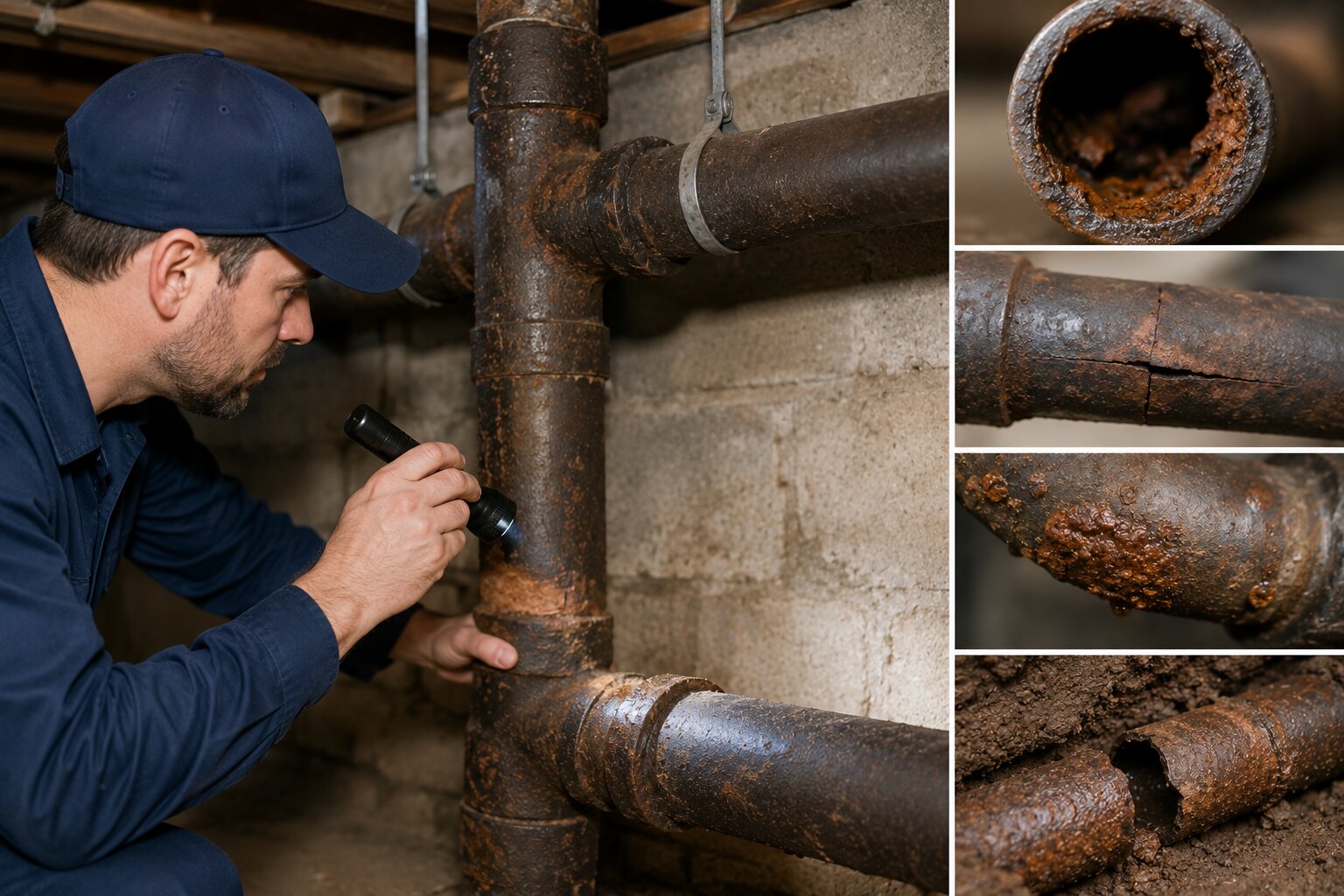
When Should You Replace Cast Iron Plumbing?
If you do not know the age of your home's cast iron pipes, you may never know that they are corroding and require replacement. While there are signs that they aren't working as well as they could be, a…



If you do not know the age of your home's cast iron pipes, you may never know that they are corroding and require replacement. While there are signs that they aren't working as well as they could be, a…
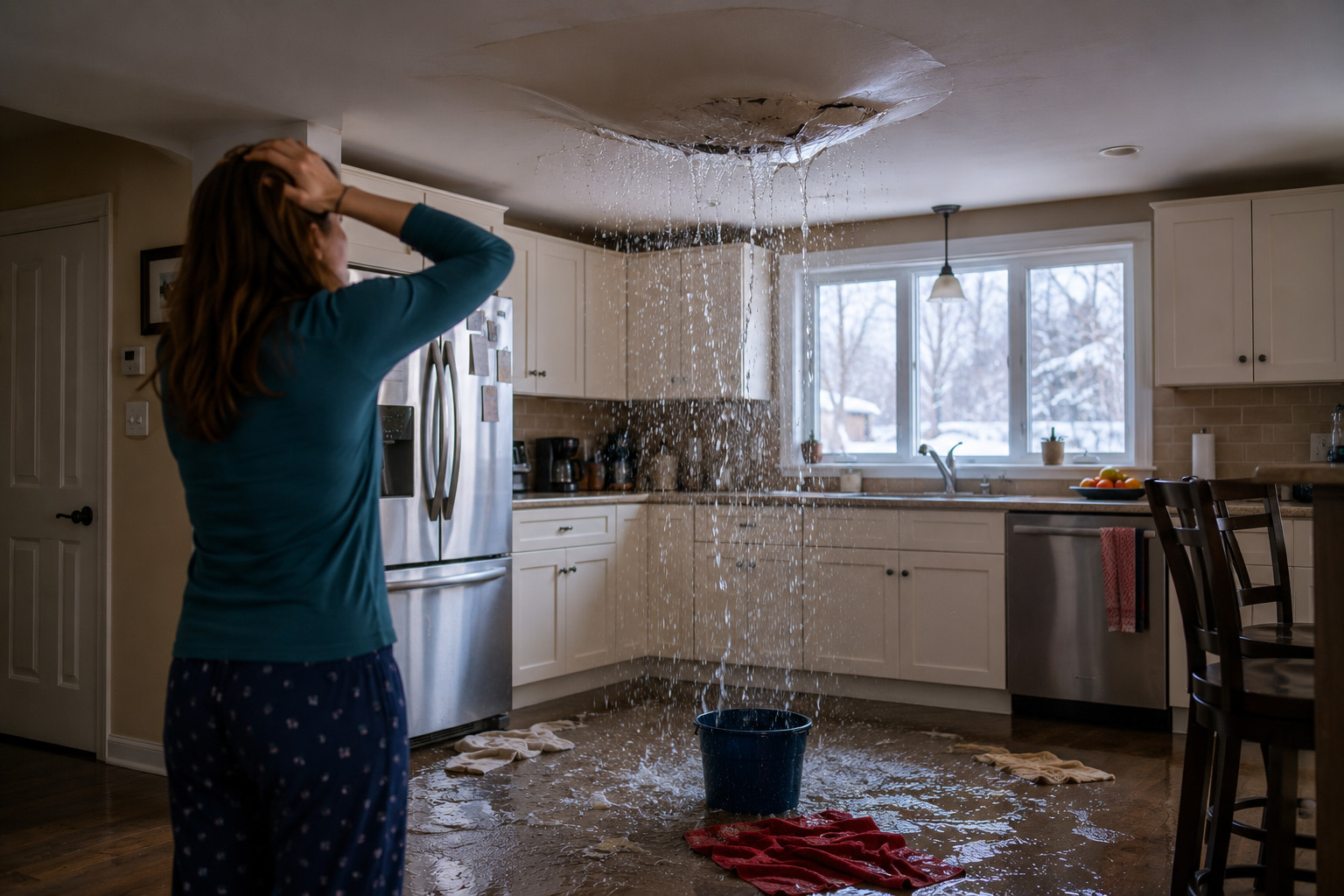
You wake up one morning and see that it is freezing cold outside. You head for the kitchen to start the coffee and get your day going. You walk down the stairs, turn the corner and notice water on the…
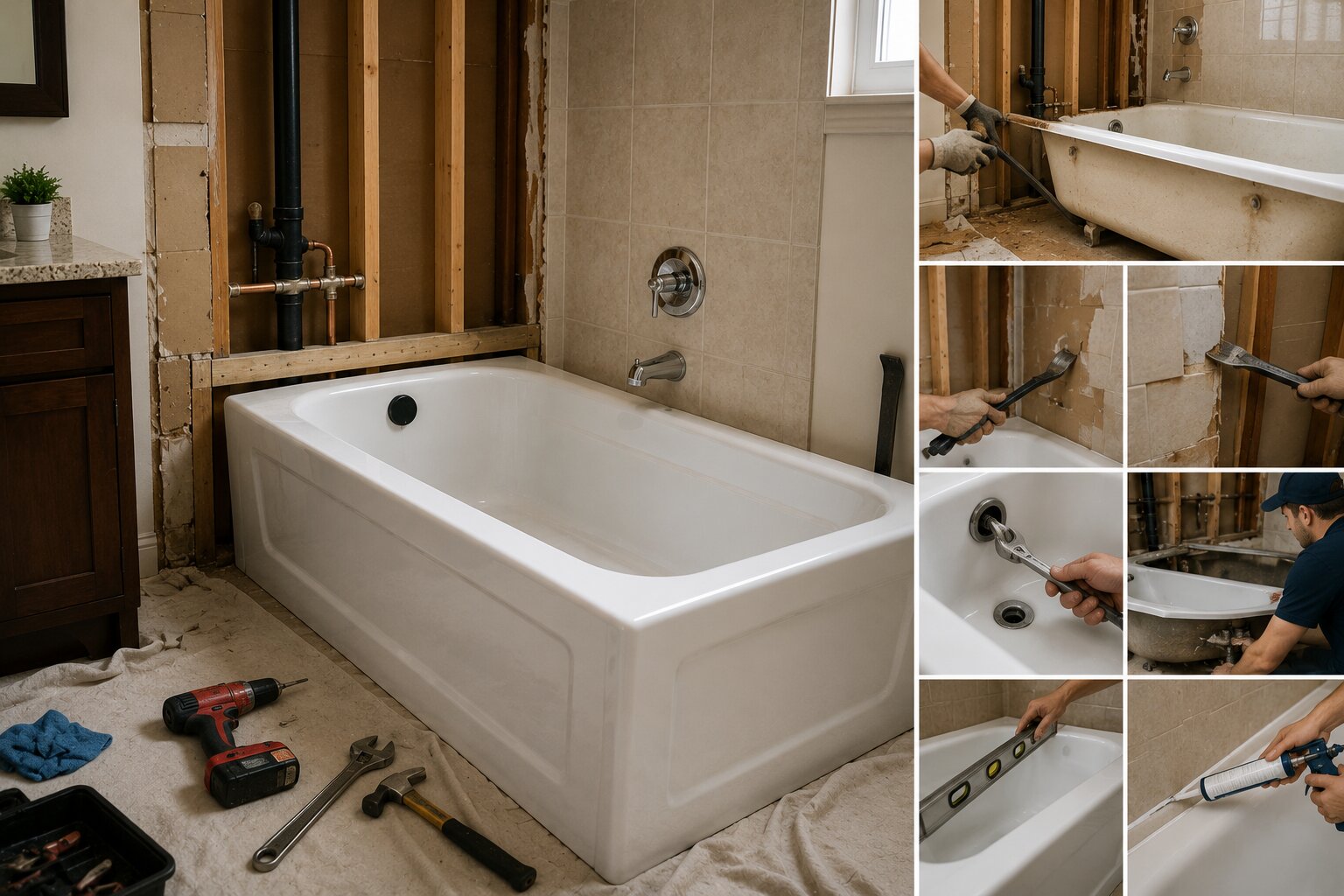
Bathtubs experience frequent use, and can become quite worn or dated looking over time. Because they can look like the residence of the creature from the black lagoon even when properly cleaned, they are often a frustration for homeowners, prompting the assessment of DIY remodeling skills. Figuring out how to replace a bathtub is possible, however it is important to ensure you have the plumbing, carpentry, drywall, and tiling expertise necessary prior to taking on this herculean task.
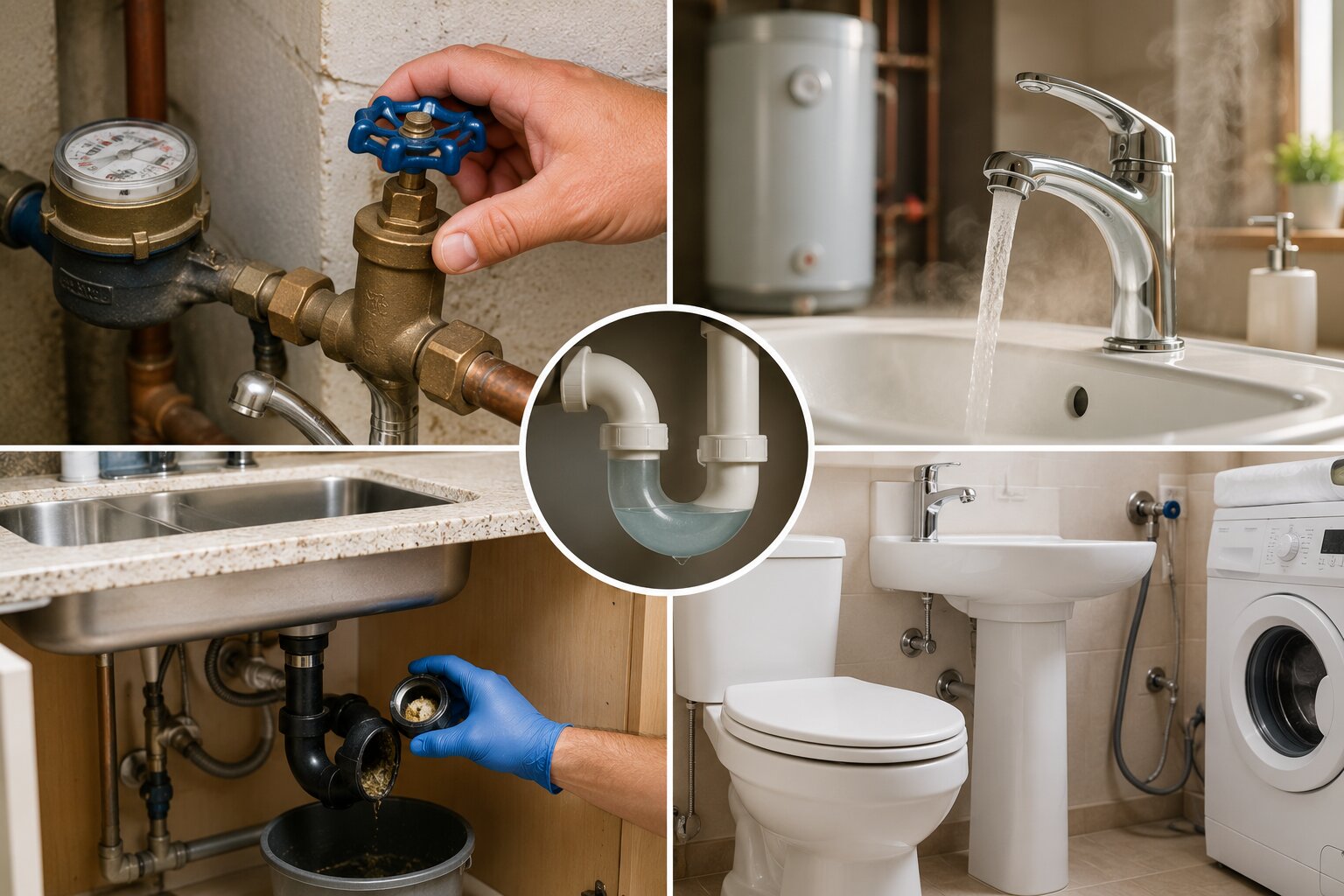
Every homeowner should know plumbing basics so that there’s less mystery when water problems do occur. Gravity and pressure are two of the most fundamental concepts of plumbing, which is comprised of two separate subsystems. The supply system allows fresh water in, while the drainage system forces waste water out. Knowing that water seeks its own level helps demystify plumbing systems. Below are some of the most important plumbing basics for homeowners to know.
1. Main Shut-off Valve
It’s a good idea to know where the main shutoff valve is in case of an emergency. Water coming into your home is under pressure, measured by a meter, which is usually in close proximity with the main shutoff valve. Knowing how to shut off this valve quickly can save your property from a flood caused by a broken pipe.
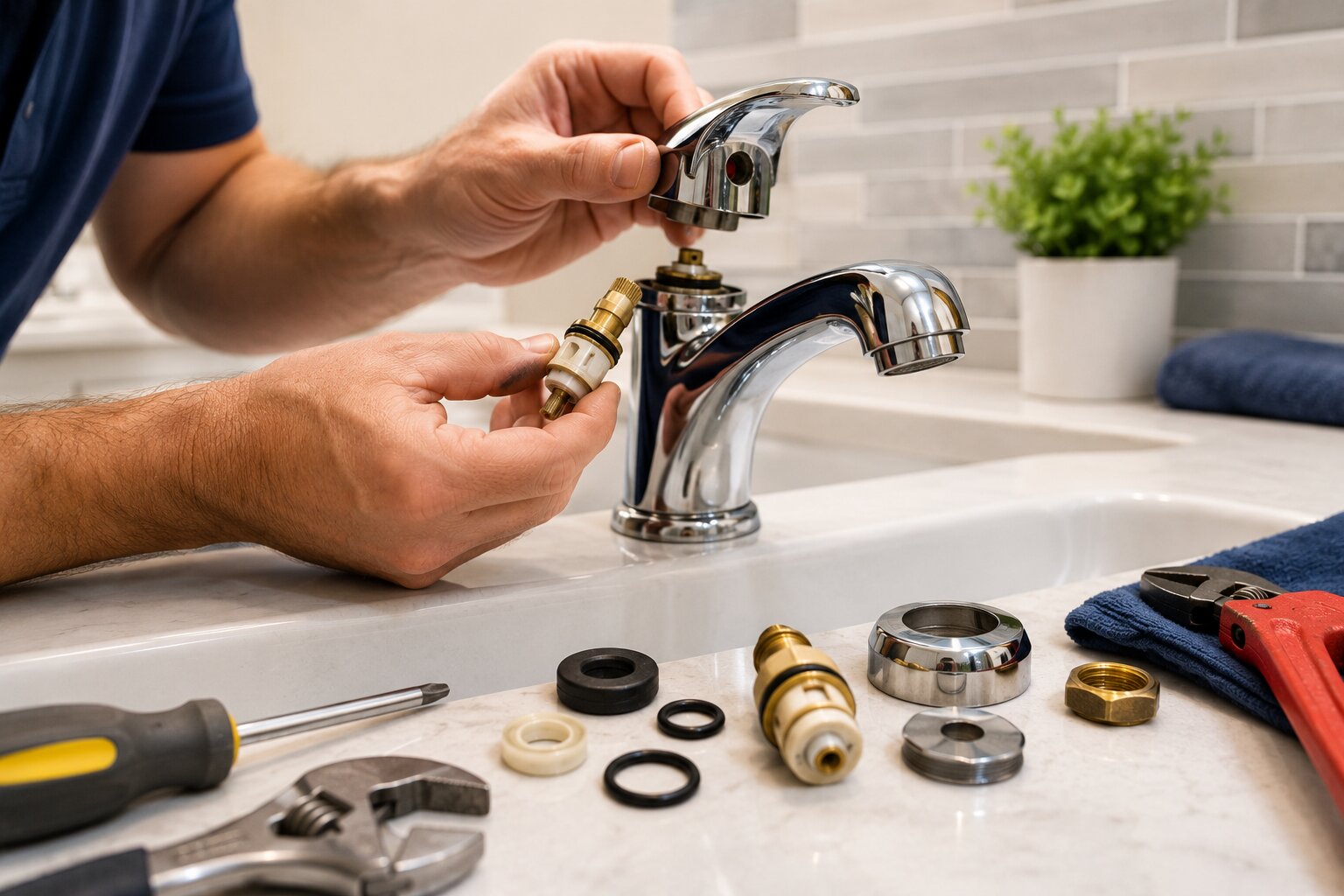
Dripping, leaking faucets are annoying, and will raise your water bill. If not repaired quickly, they can cause expensive water damage as well. Of course, you can always call a plumbing professional. But fixing a leaky faucet can be a fairly easy job, even for a beginner. Following these steps can help you get the job done right.
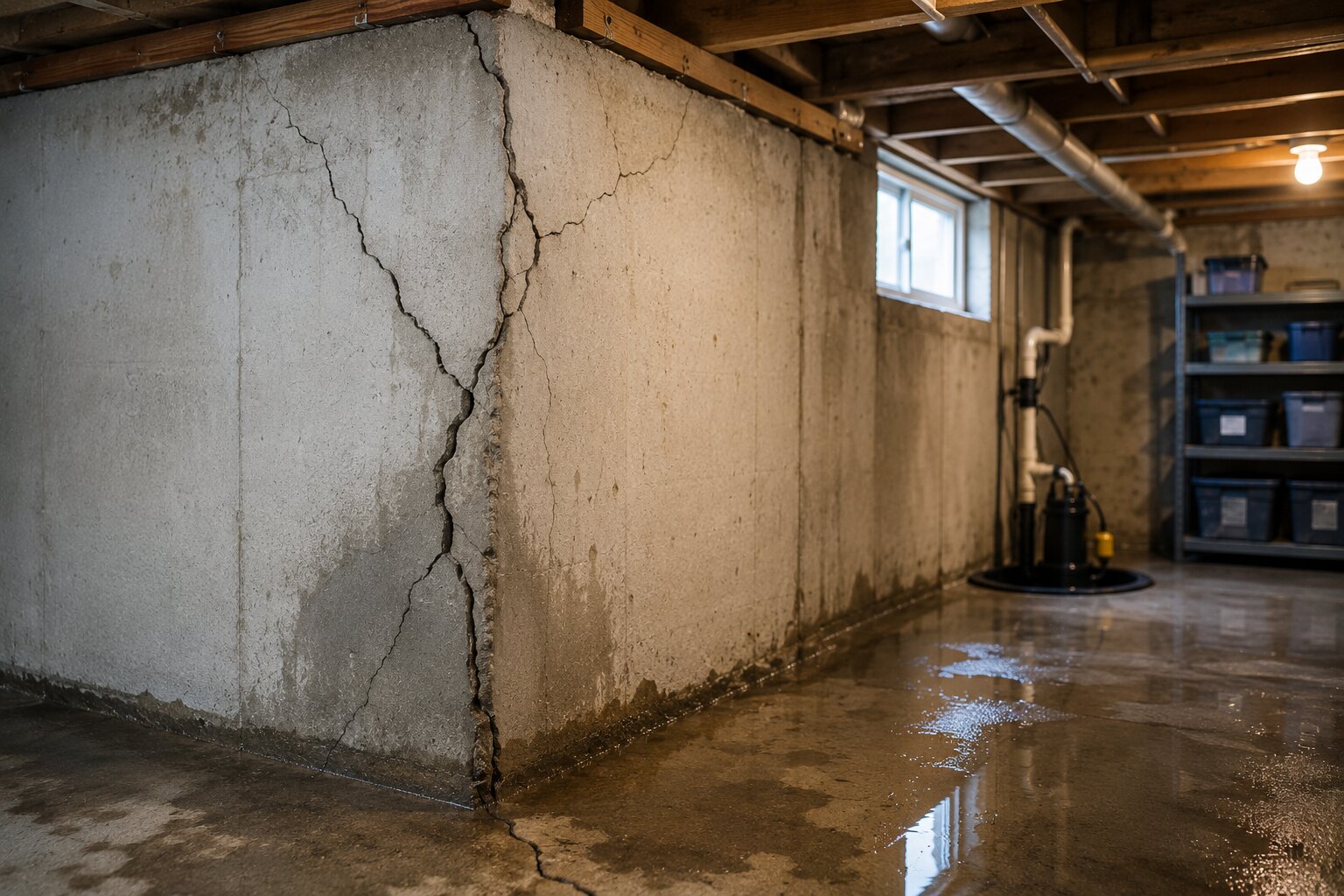
Your house is much more than just a building. It is your home, the place where you and your family feel safe and secure. Anything that puts your home at risk can have a major impact on your life.
That’s one of the reasons why homeowners tend to worry at the first sign of any cracks, especially when they appear in, or are related to, foundations. The main concern is whether the structure is safe. It is extremely rare that foundation cracks will result in an unsafe building. But, can the same be said about the potential for a wet basement?
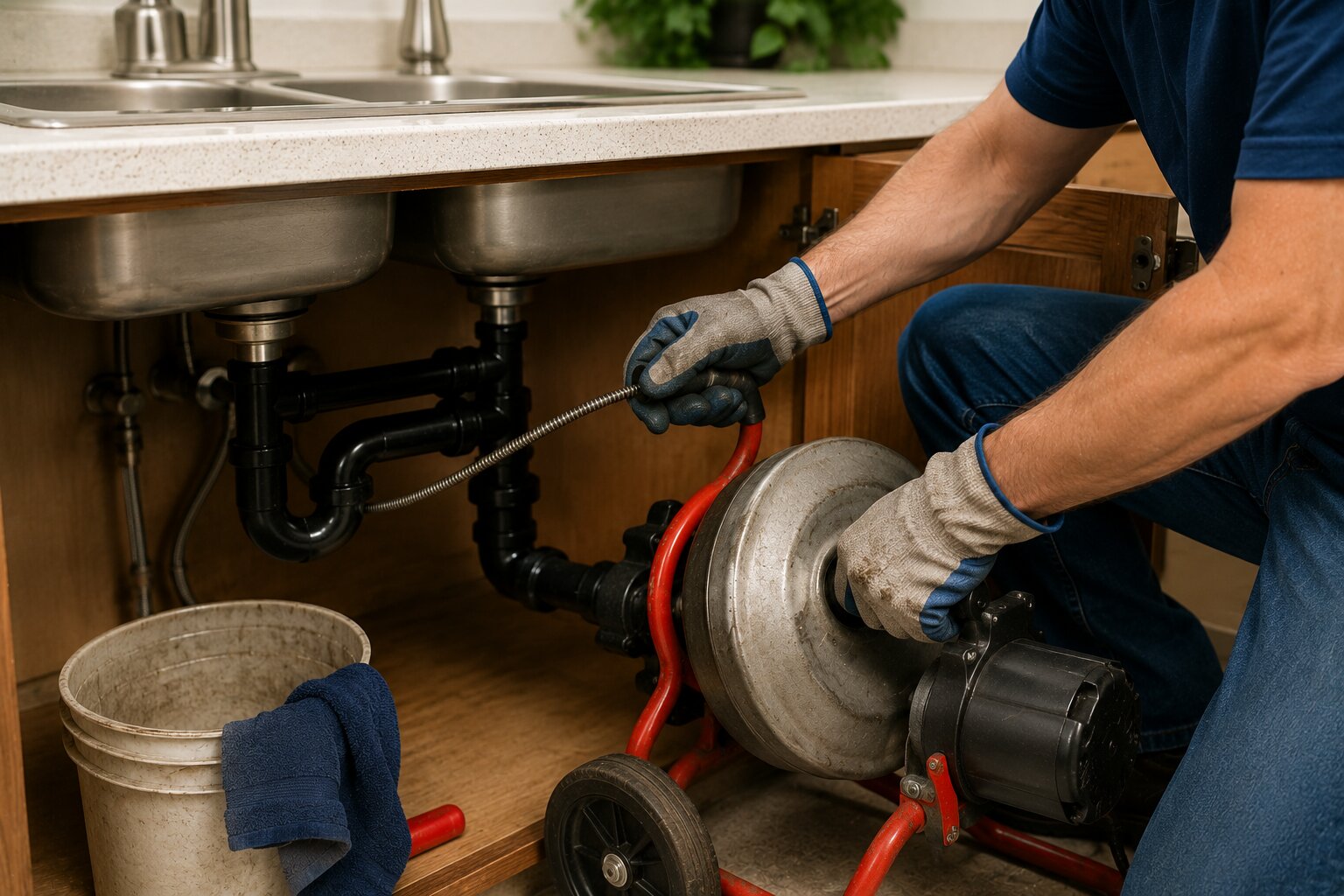
If you’ve got a plugged drain, then one of the first things you’re likely looking for is how to snake a drain. While this can be a somewhat complicated process for someone who has never known how to snake a drain, once you get the hang of it you’ll find that it’s easier than you thought. Let’s take a look at the simple steps and then cover a few essential tips.
First, put the end of the snake into the opening of the drain. Then turn the handle on the drum that houses the coiled-up drain snake. This gets the auger working so it can work itself down the drain.
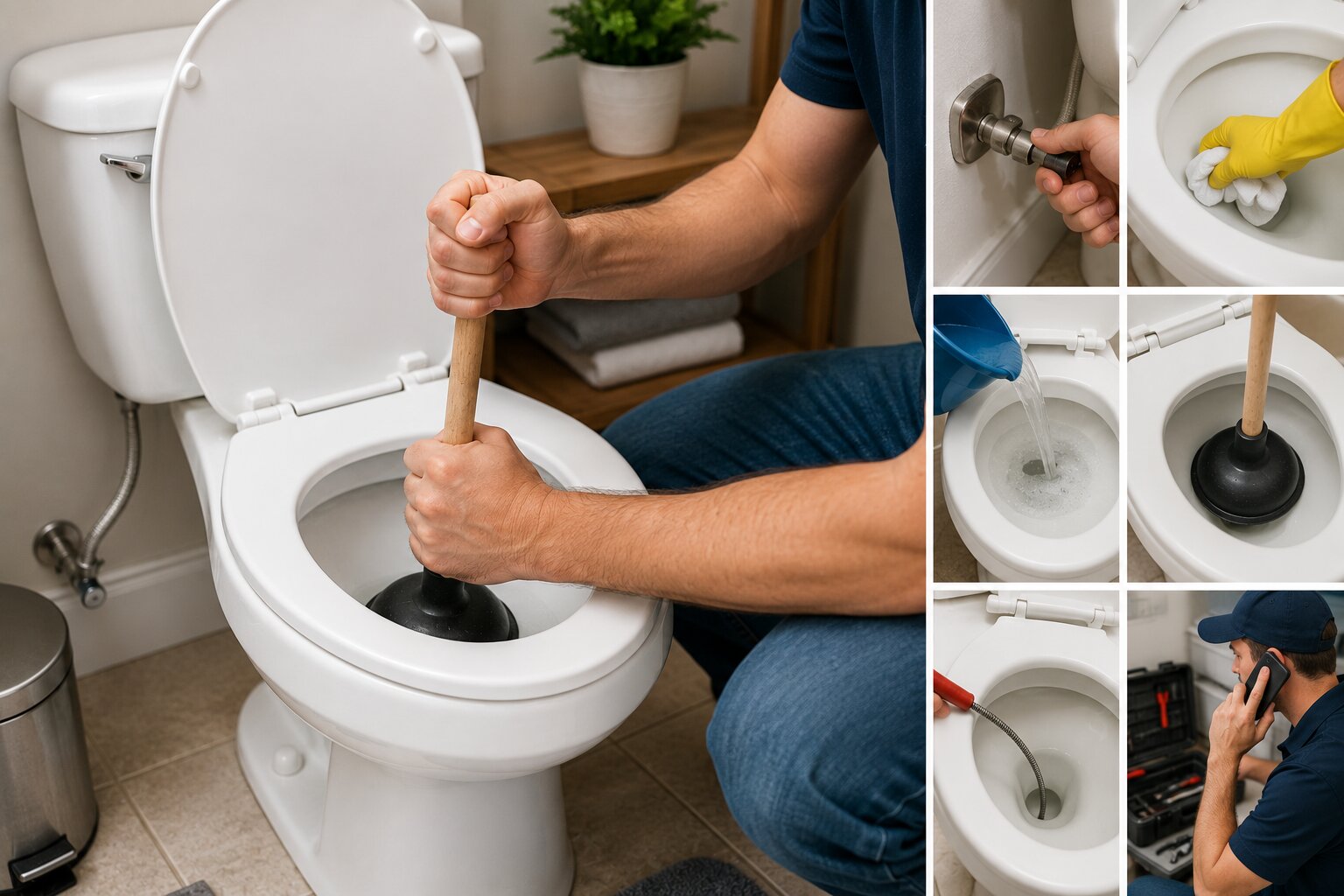
Clogged toilets are an unfortunate fact of life. Fortunately, most blockages can be dealt with quickly and easily using very basic tools. Here are 6 steps to help you unblock a toilet:
If you flush the toilet once and it doesn’t clear the bowl, it is tempting to flush again. Resist this temptation! If a blockage is preventing your toilet from flushing, pumping more water into the bowl will only cause it to overflow all over the floor. Instead, turn off the water supply to the toilet (there should be a valve close to the toilet) or open the top of the toilet and lift up the float arm to prevent any more water flowing into the bowl.
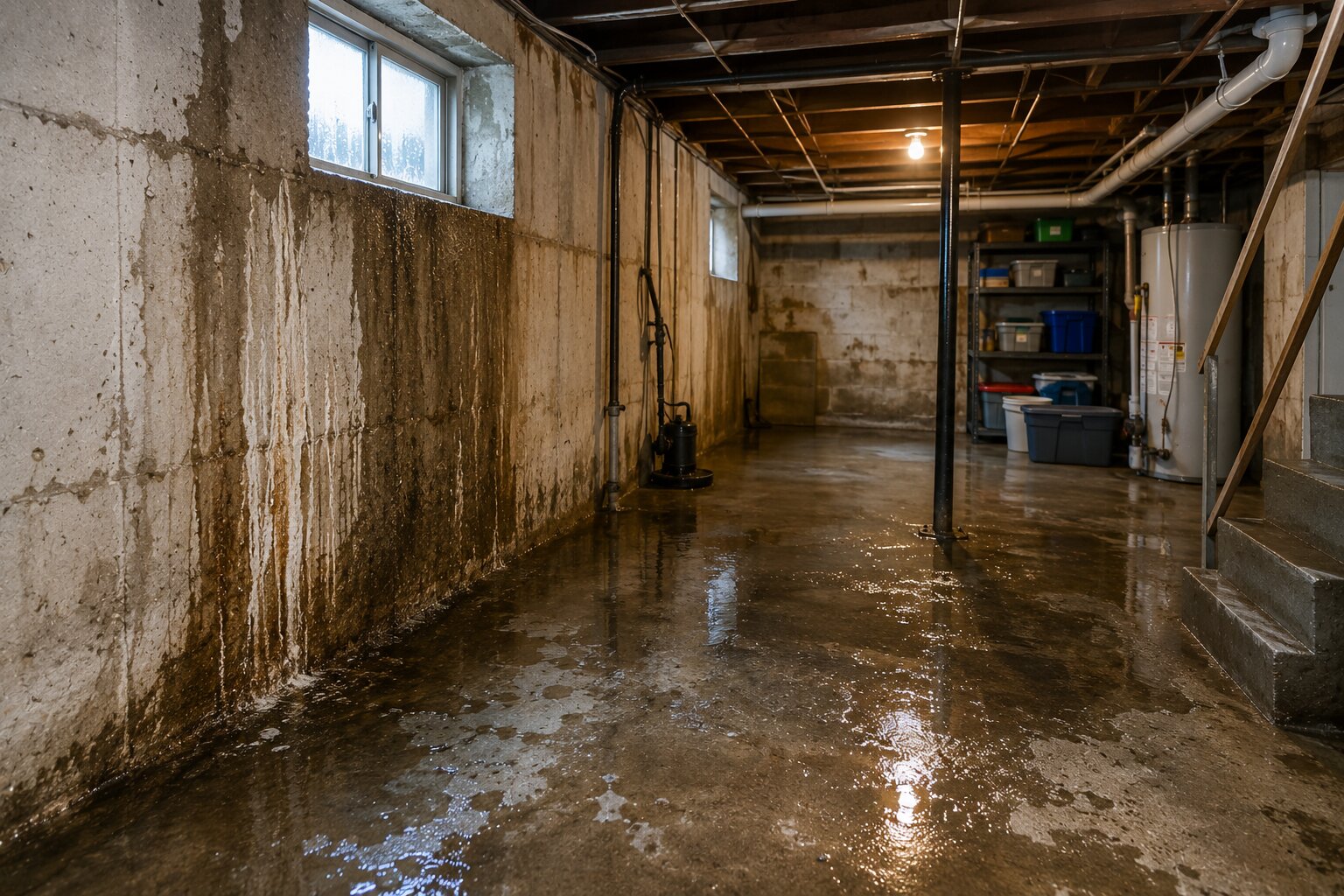
You had great plans to have a downstairs bedroom or family and entertainment room, but you’ve realised that none of them will come to fruition because you have a damp basement. There are a number reasons why moisture might collect in basement spaces, and many of them are fairly easy to remedy.
Basements may become damp or flooded during and after heavy rain like that experienced in the Toronto storms of July 2013 or when snow melts rapidly. In addition, factors inside your home may be triggering the increase of moisture. Causes of a damp basement include:
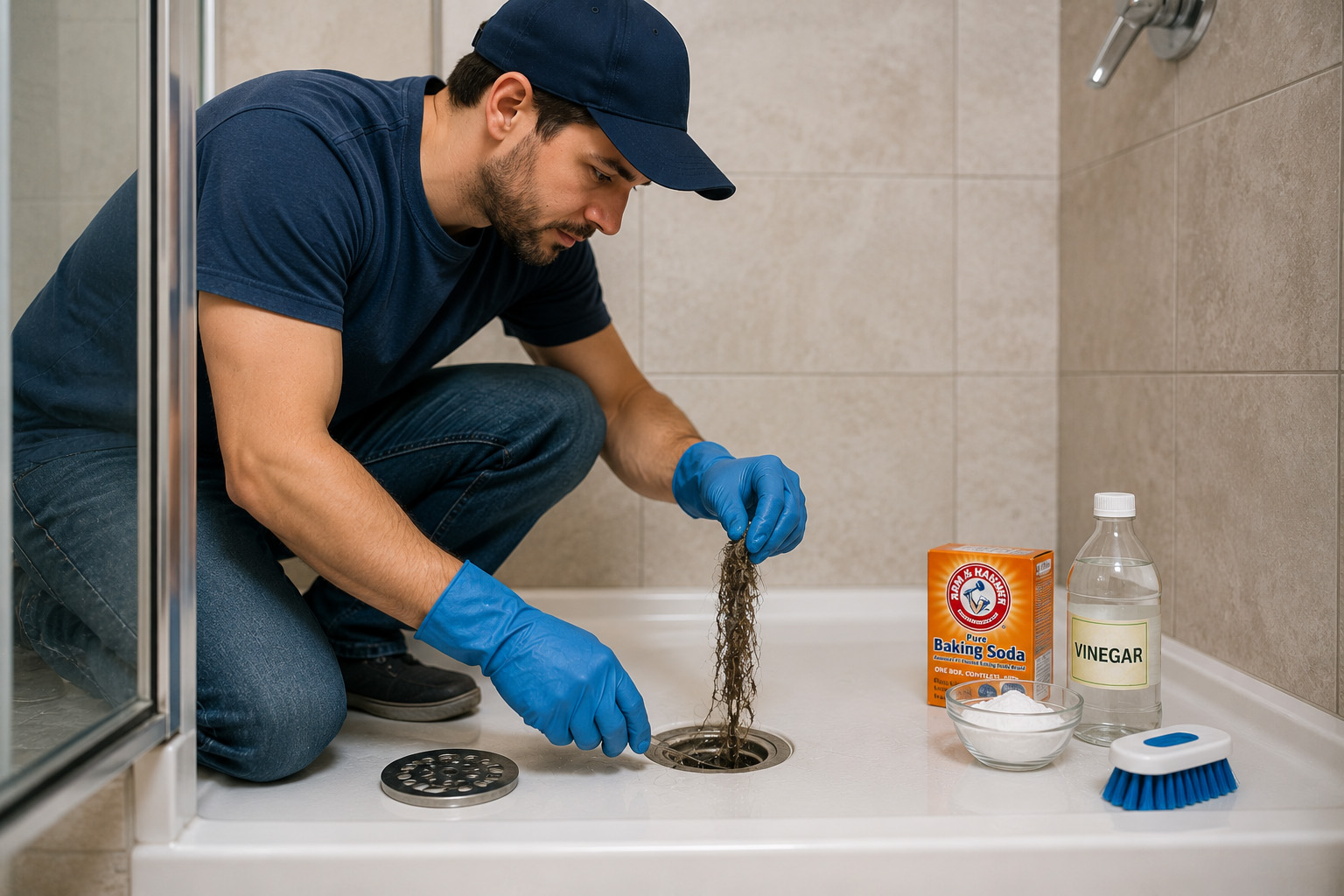
A clogged shower drain is the bane of every homeowner’s existence. Shower bases that are stubbornly slow to drain can leave you paddling around in a couple of inches of water every time you take a shower. Drains can also become completely blocked, rendering the shower unusable.
There are several techniques that you can use to clear a clogged shower drain. Next time you experience this annoying problem, why not give one of the following a try?