
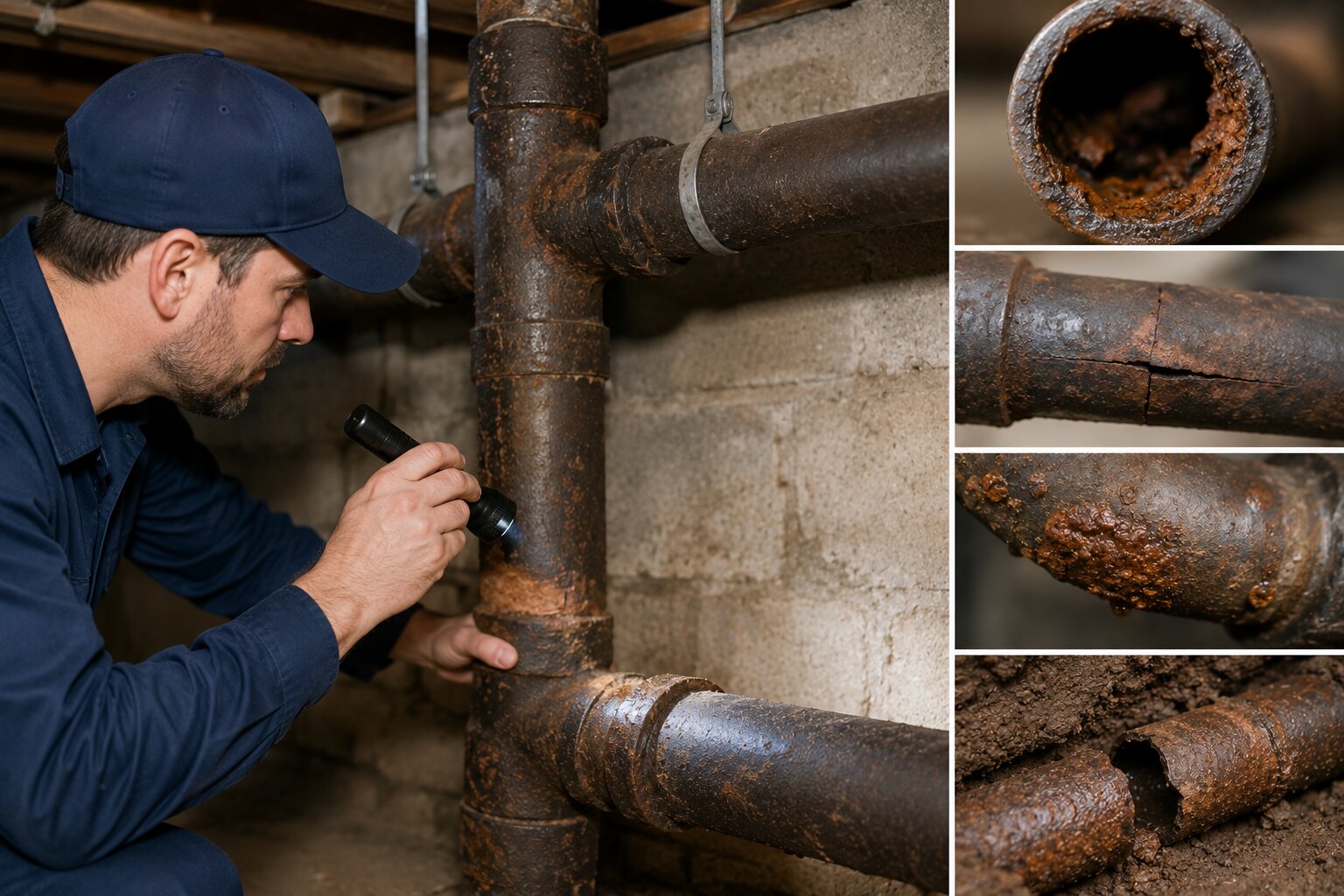
When Should You Replace Cast Iron Plumbing?
If you do not know the age of your home's cast iron pipes, you may never know that they are corroding and require replacement. While there are signs that they aren't working as well as they could be, a…



If you do not know the age of your home's cast iron pipes, you may never know that they are corroding and require replacement. While there are signs that they aren't working as well as they could be, a…
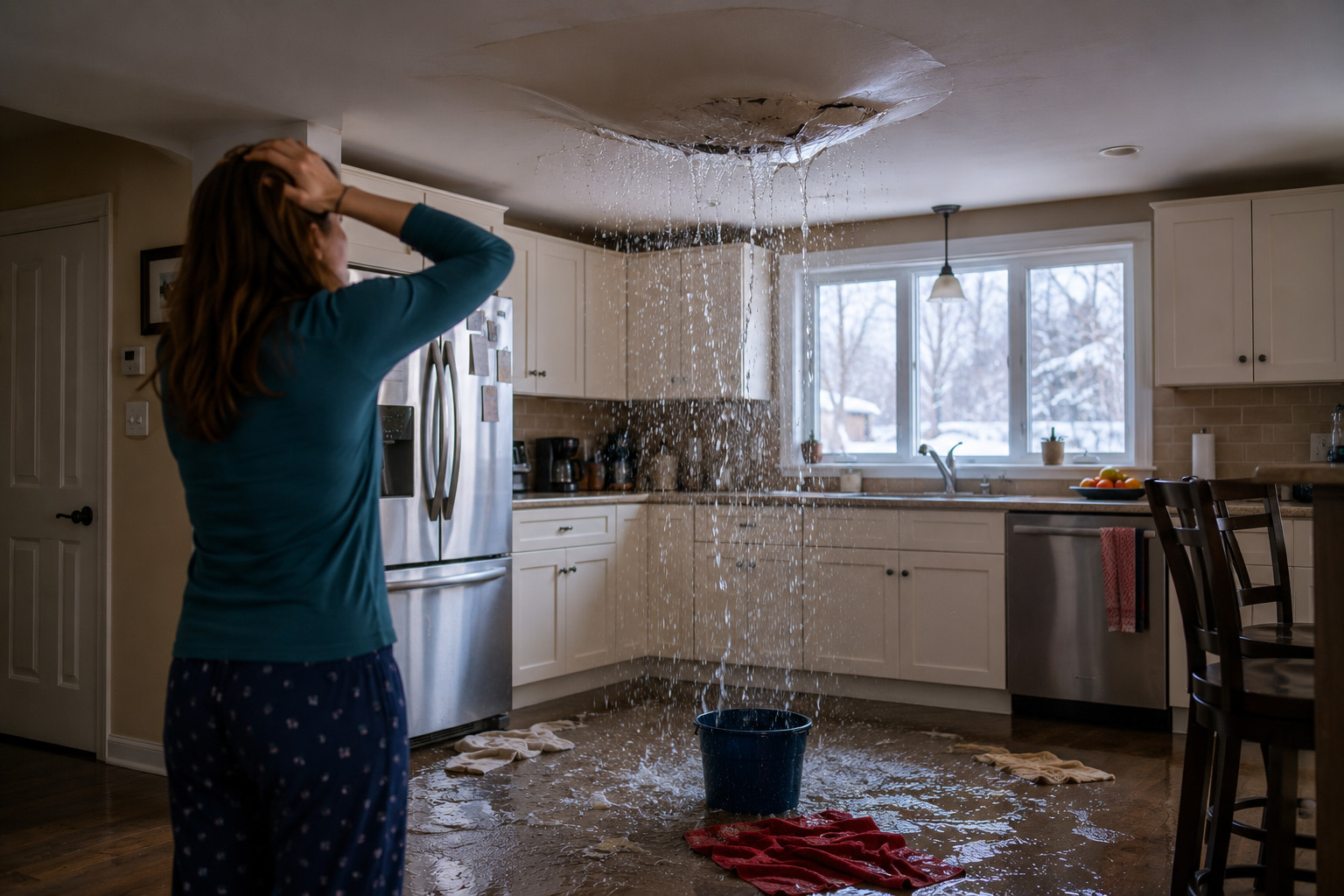
You wake up one morning and see that it is freezing cold outside. You head for the kitchen to start the coffee and get your day going. You walk down the stairs, turn the corner and notice water on the…
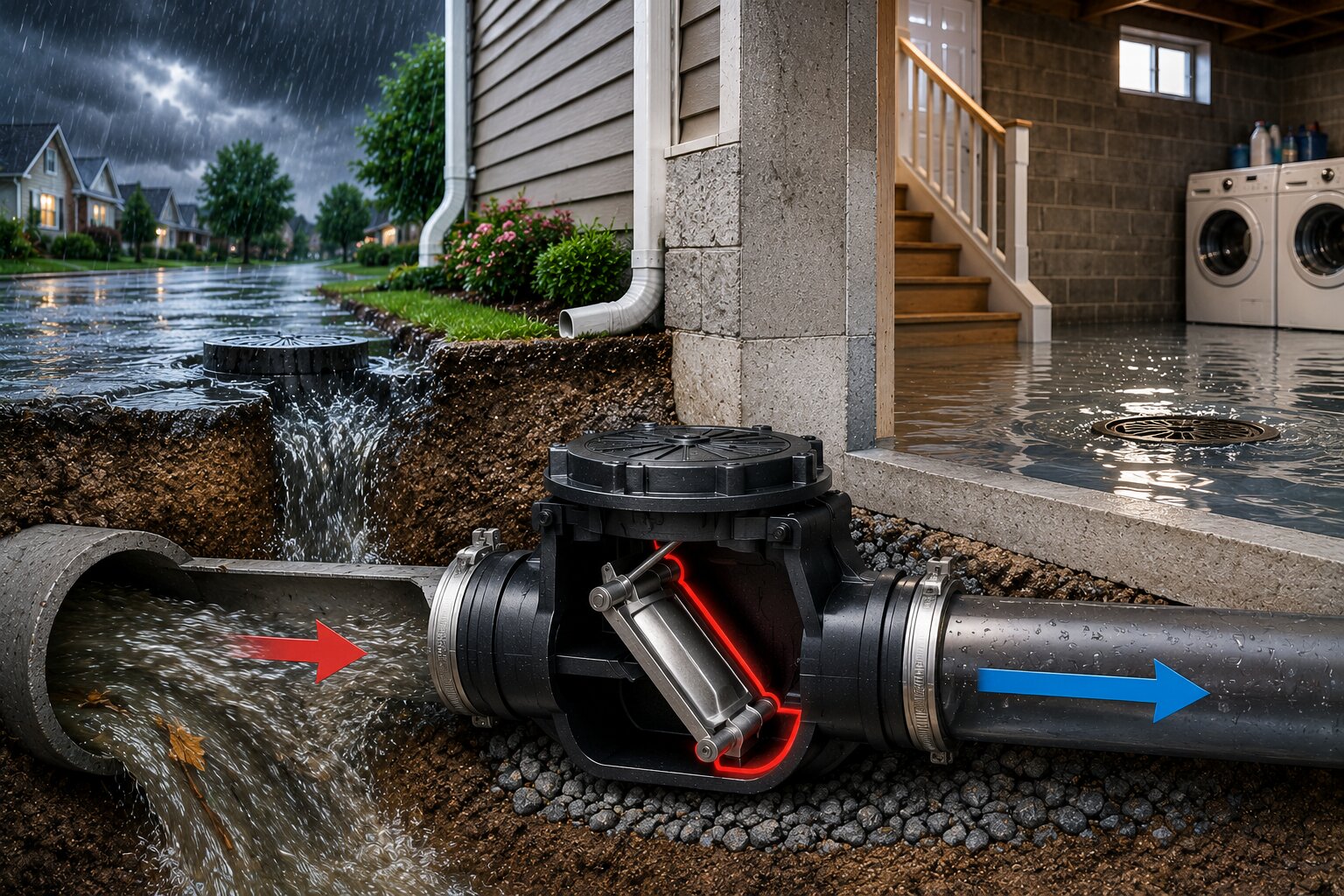
No matter the time of the year, dealing with a flooded basement can be a costly event. Not only will it cost you for plumbing repairs, but it could also cost you a day's work, losses in home repair,…
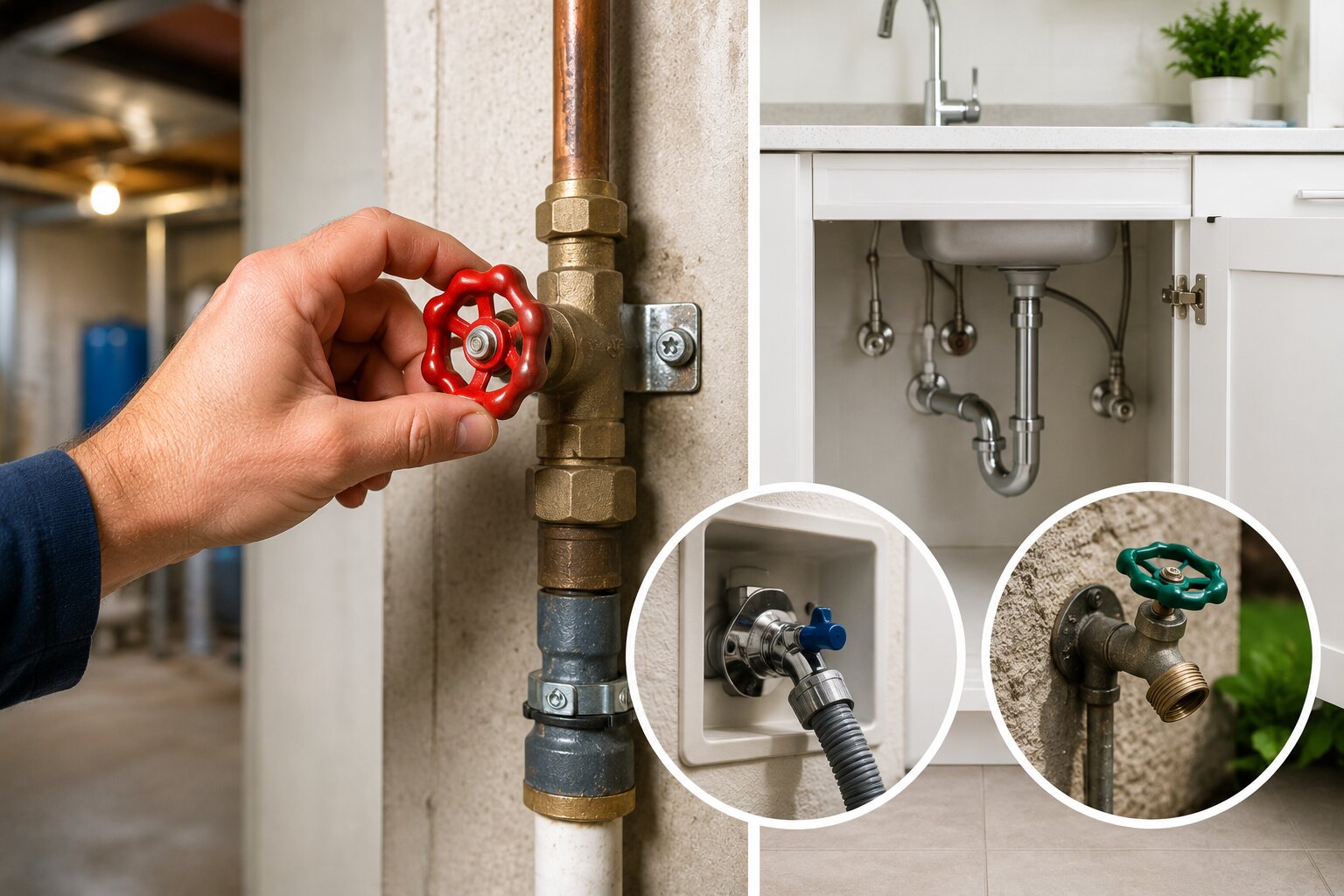
Many homeowners think that if something goes wrong with any of our home’s plumbing, we can simply call a plumber. While this might be true for many repairs, including emergencies, this is not the case with your water shut-off valve. You and your family members need to know where the water shut-off valve is and how to turn it off. Here’s why, and how, to turn it off.
The Damage Water Can Do
Over time, water in your home can cause considerable damage. The longer the water is running and collecting in your home, the worse the damage will be. You need to know where your shut-off valve is and stop the water from pouring into your home as quickly as you can.
Signs that you have leaking water include water pockets in the paint on the walls, or flaking and peeling paint. Additional signs can include mold, or unusual levels of moisture in your home. For a more serious issue, like a damaged pipe, you might actually see the water running. With water pooling on the floor, it will put both your flooring and walls at risk of excessive damage.
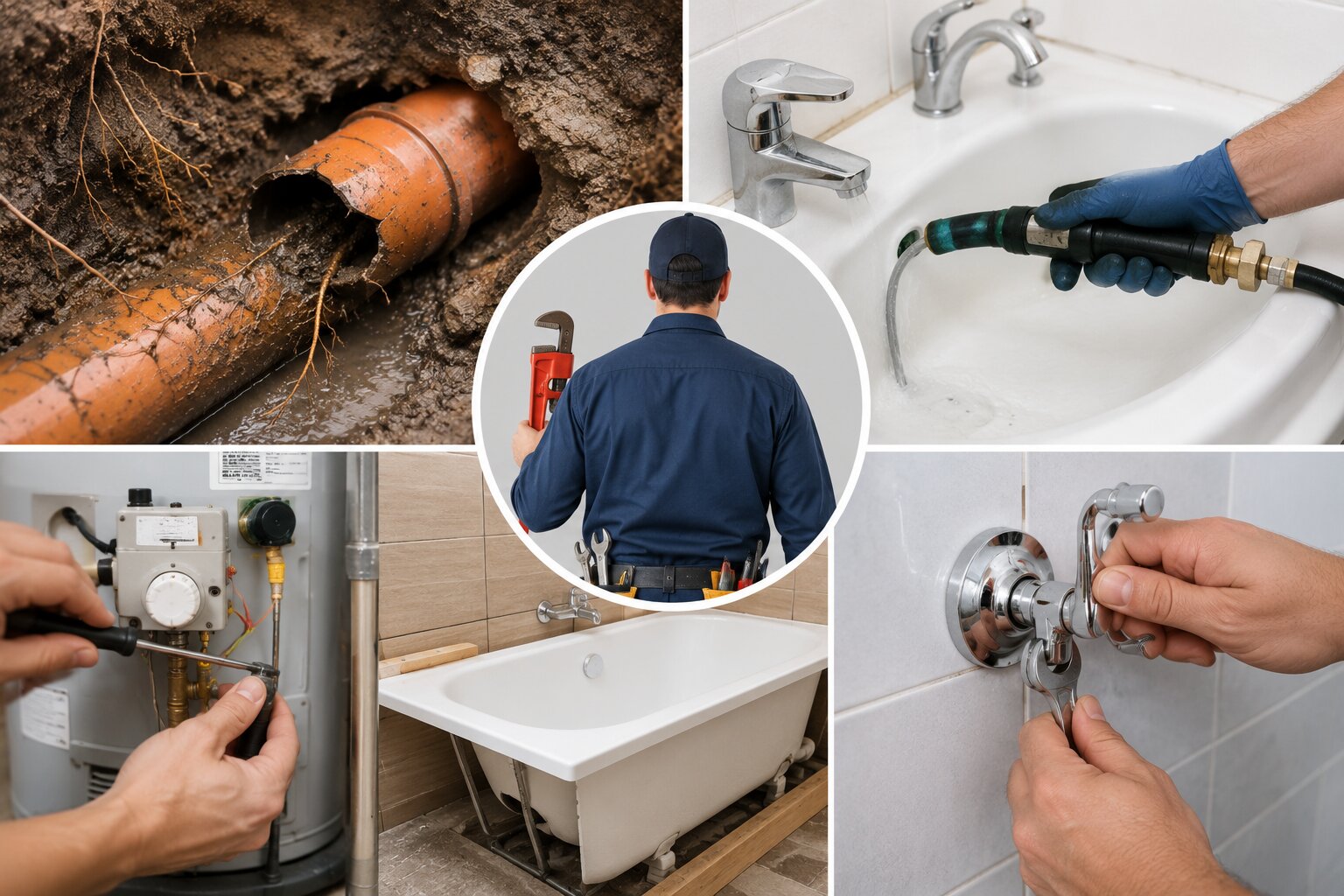
Plumbing projects can be very simple fixes in some instances. For example, a dripping faucet or a clogged drain pipe are less delicate projects and are ideal for the homeowner to handle on their own. These types of plumbing problems are relatively easy to fix and are within the scope of the abilities of the average homeowner with modest mechanical abilities. However, there are more serious problems that require the skills and expertise of a professional plumber to make proper repairs that will not lead to further complications or damage. Some plumbing projects that require the intervention of a professional include:
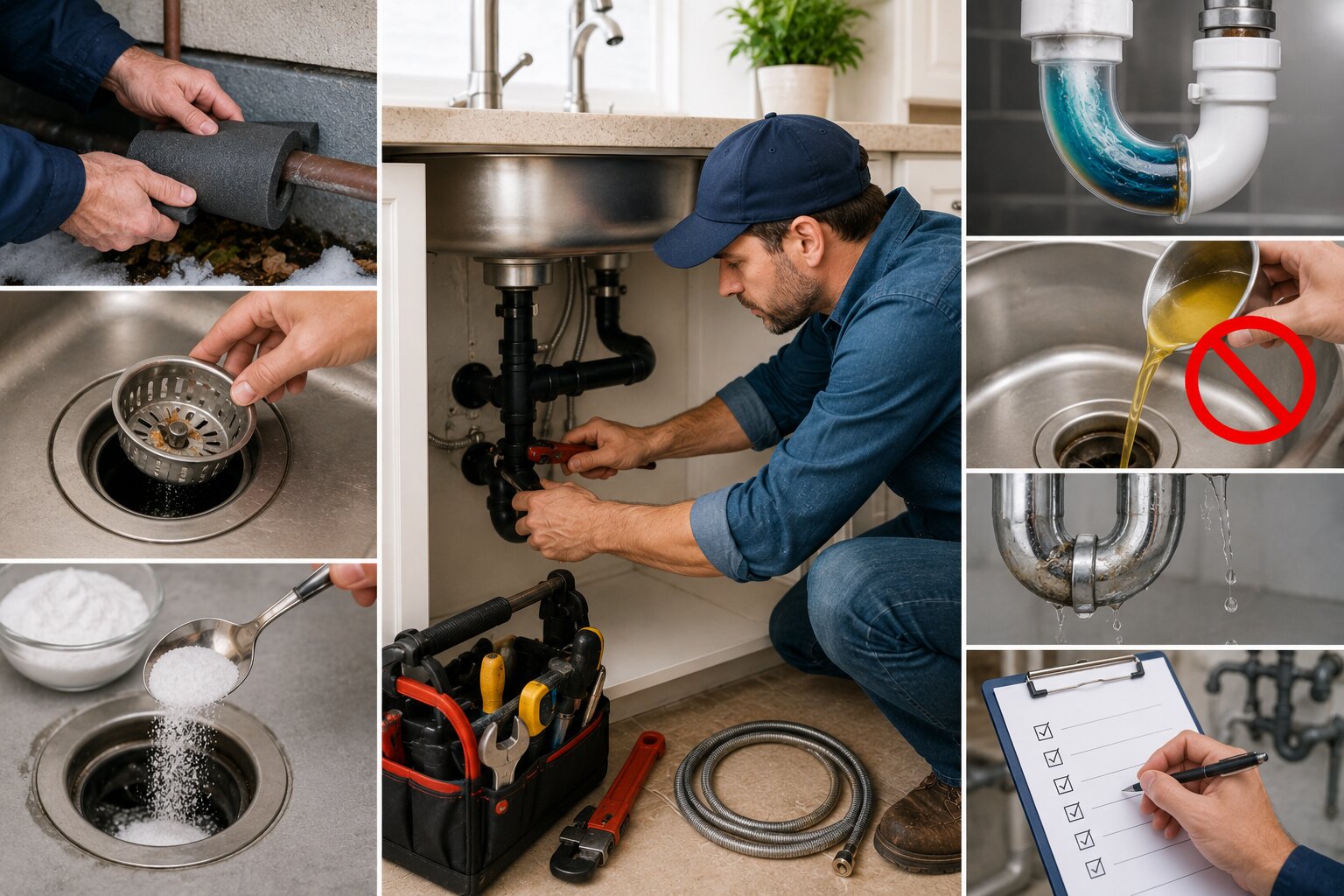
In a large number of plumbing cases, the problems that often occur are leaks, clogs or drips. During winter, another problem that needs to be kept in mind is frozen pipes. Keeping your pipes problem-free is one of the most important household duties. By making sure that you always maintain the plumbing in your home at all times, you can save yourself from major plumbing issues and a lot of money as well!
7 Tips for Plumbing Maintenance
With a few simple maintenance tips, you can prevent the plumbing in your home from giving you problems. To avoid huge plumbing bills, you should keep the following tips in mind:
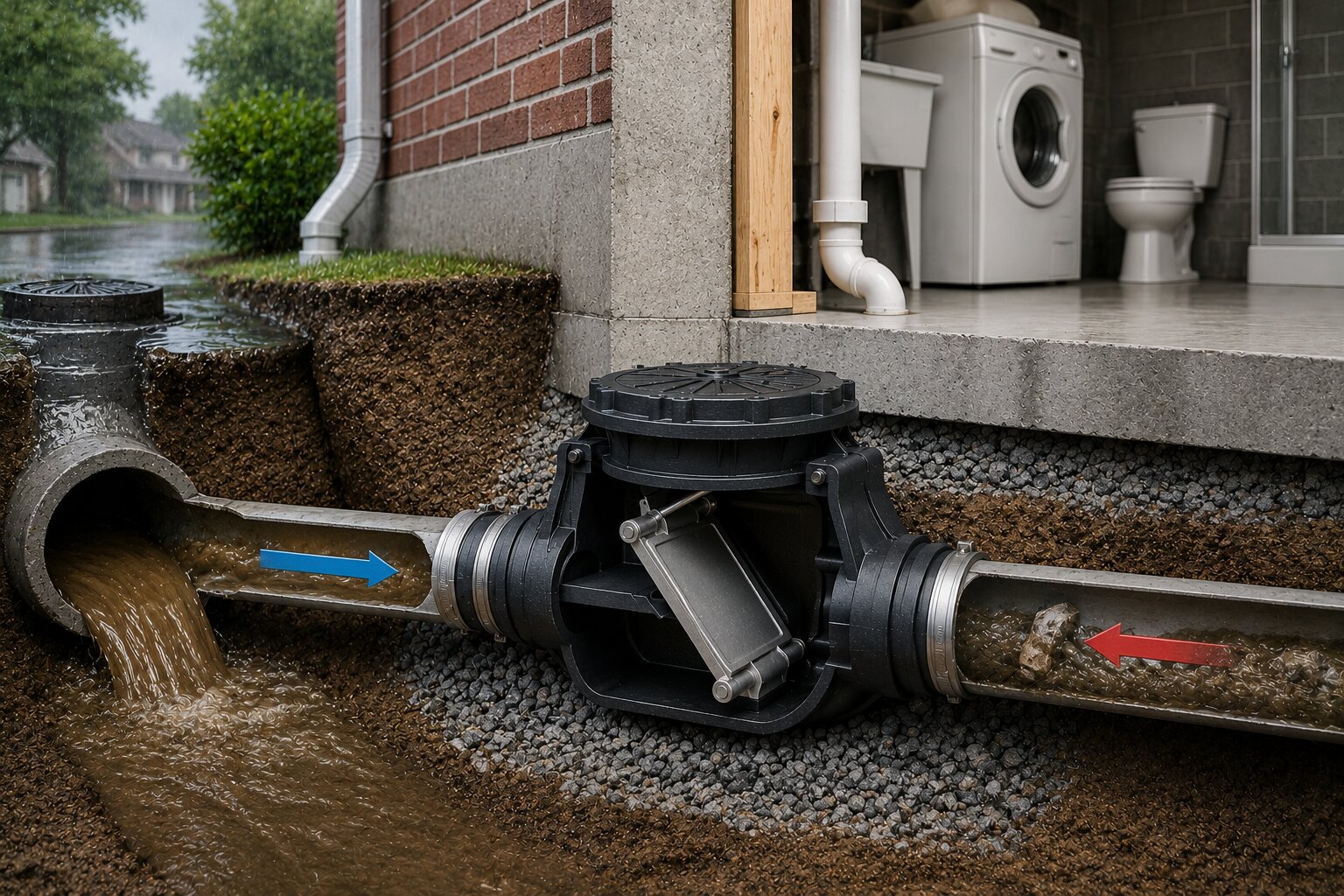
Sewage backups are not only gross and inconvenient, they can cause thousands of dollars in damage in addition to creating health hazards for occupants in your home. All of this can easily be avoided, however, with the addition of a mainline sewer backflow valve to your plumbing system.
What causes sewage backup?
There are a variety of reasons for sewage backup. The main line that runs from your home to the sewer may become clogged due to grease, tree roots, and other blockages. In addition, water used in area homes as well as excess rain water can overwhelm the sewer system, causing water to back up in the lines and into your home.
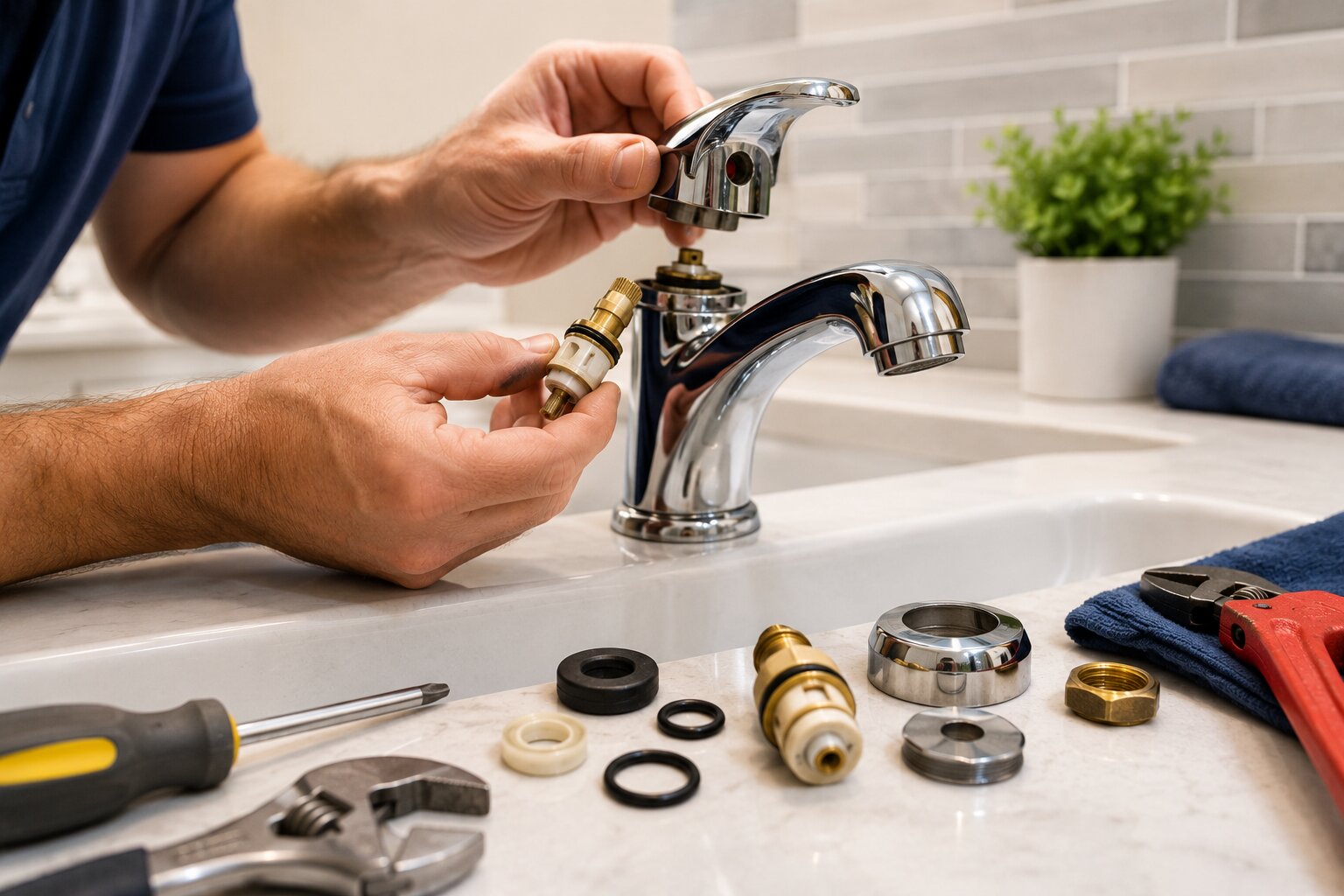
Dripping, leaking faucets are annoying, and will raise your water bill. If not repaired quickly, they can cause expensive water damage as well. Of course, you can always call a plumbing professional. But fixing a leaky faucet can be a fairly easy job, even for a beginner. Following these steps can help you get the job done right.
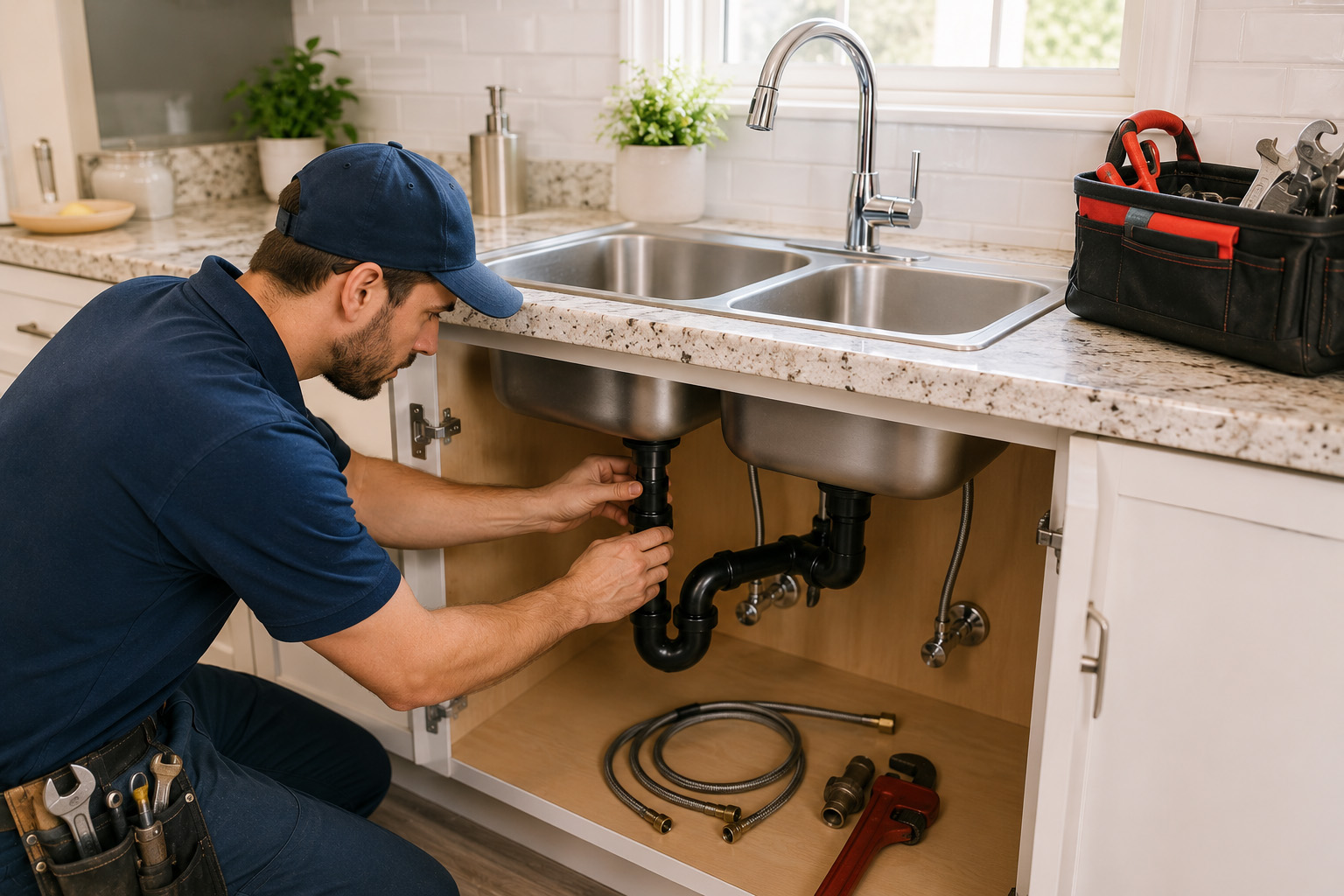
The internet is inundated with so many “do it yourself” home renovation articles that it can seem like you can tackle any project without any problem. However, kitchen sink installation is one feat that you should not attempt yourself; you should hire an experienced plumber to get the job done; here is why:
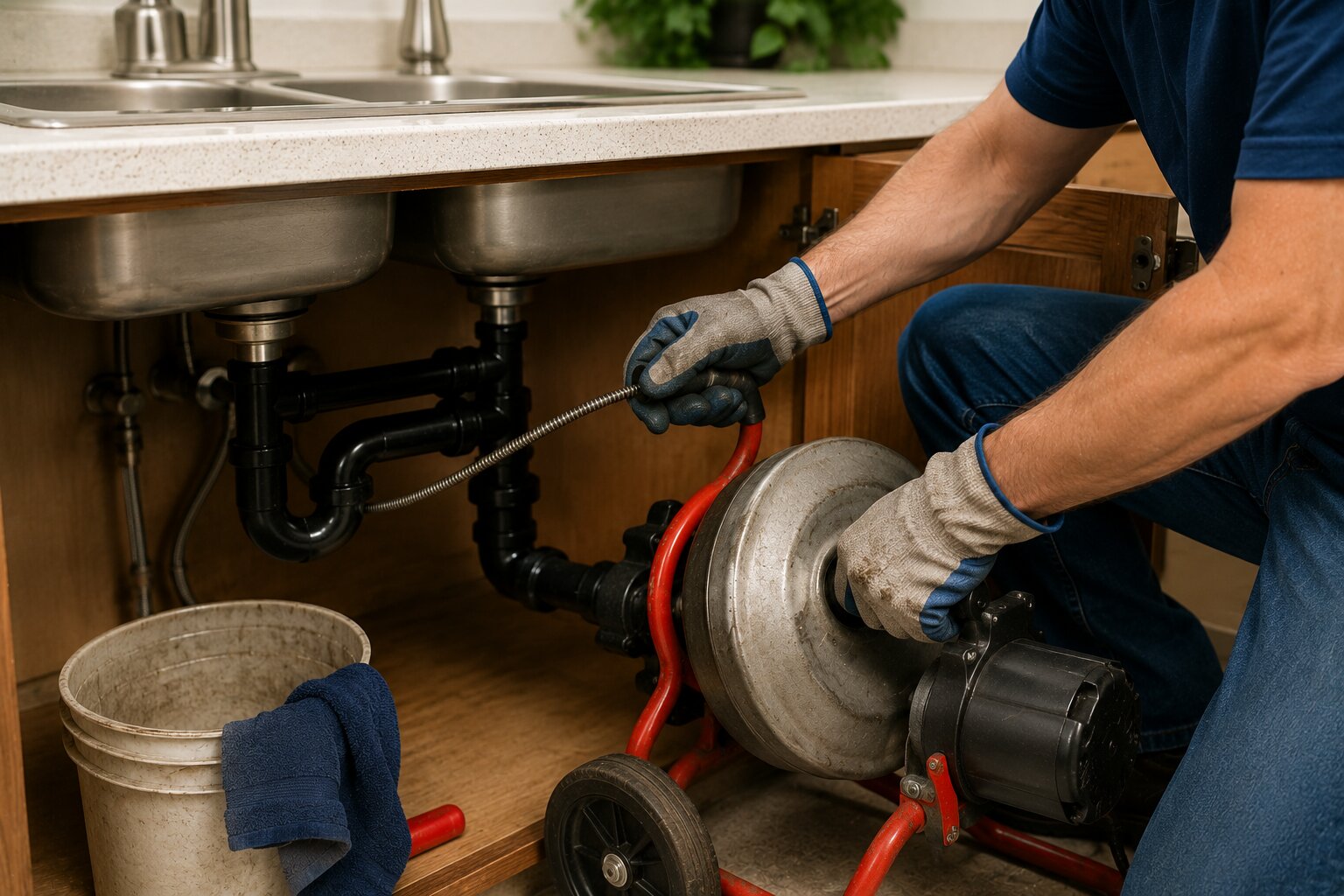
If you’ve got a plugged drain, then one of the first things you’re likely looking for is how to snake a drain. While this can be a somewhat complicated process for someone who has never known how to snake a drain, once you get the hang of it you’ll find that it’s easier than you thought. Let’s take a look at the simple steps and then cover a few essential tips.
First, put the end of the snake into the opening of the drain. Then turn the handle on the drum that houses the coiled-up drain snake. This gets the auger working so it can work itself down the drain.