


Plumbing Tips – Drains
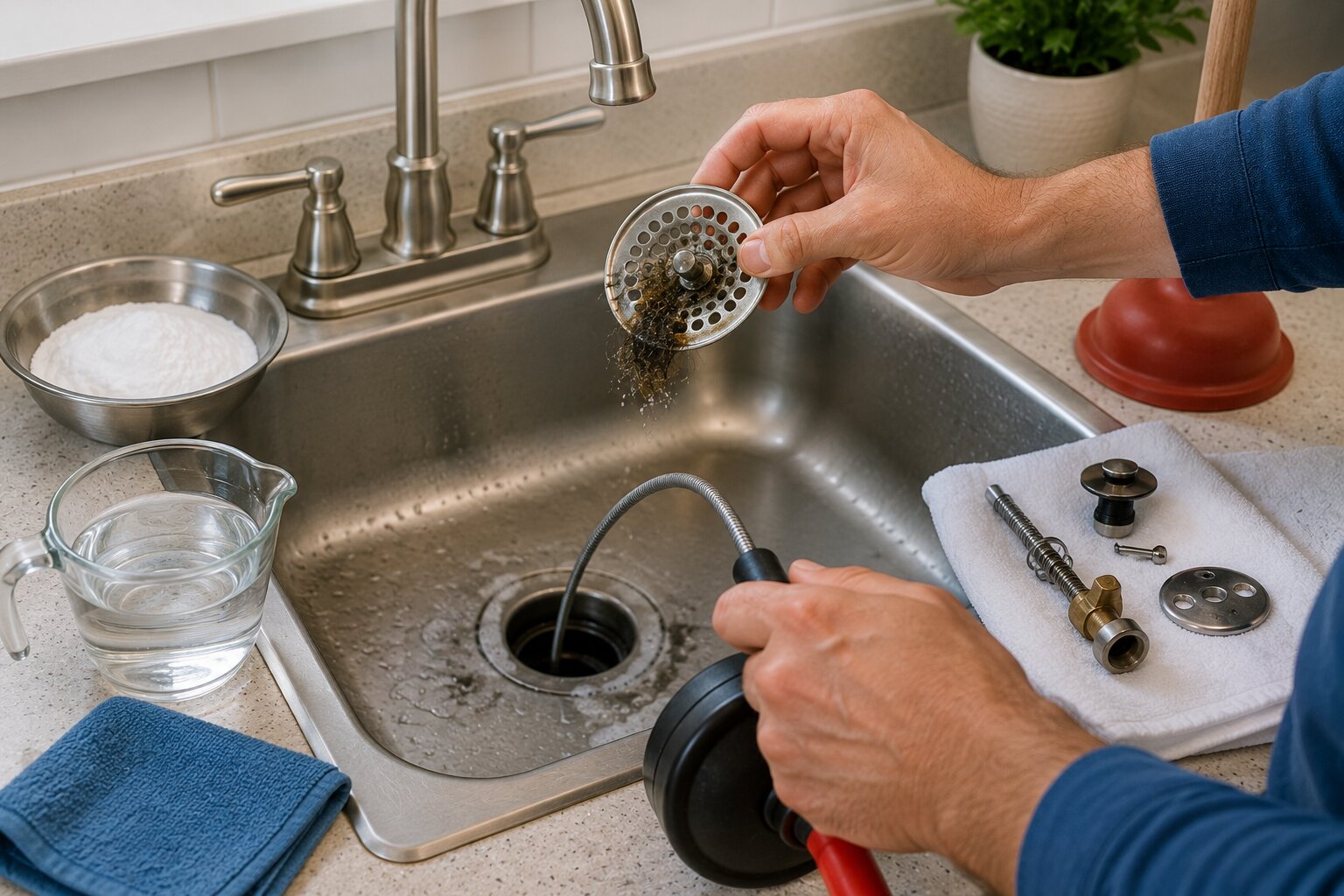
- Place a strainer over kitchen and bathroom drains if they do not already have one; this will prevent hair, pieces of soap, and other debris from clogging drains. Clean the strainer as needed.
- Unclog a drain mechanically rather than chemically when possible.
- Use chemical drain cleaners sparingly, especially if your pipes or traps are brass, steel, or cast-iron; some chemicals may corrode metal pipes. Try this instead: pour a cup of baking soda followed by a cup of vinegar down your drain every month.
- The drains in showers and in bathroom sinks typically need extra care; pour two or three gallons of boiling water down each bathroom drain about once a month to clear out hair and greasy particles.
- Every week or two remove sink and tub pop-up stoppers and rinse them off.
- Every three or four months remove the overflow plate on the tub.
- Then pull up the pop-up assembly to reach the spring or rocker arm.
- Remove accumulated hair and rinse thoroughly.
- If your shower drain is plugged up:
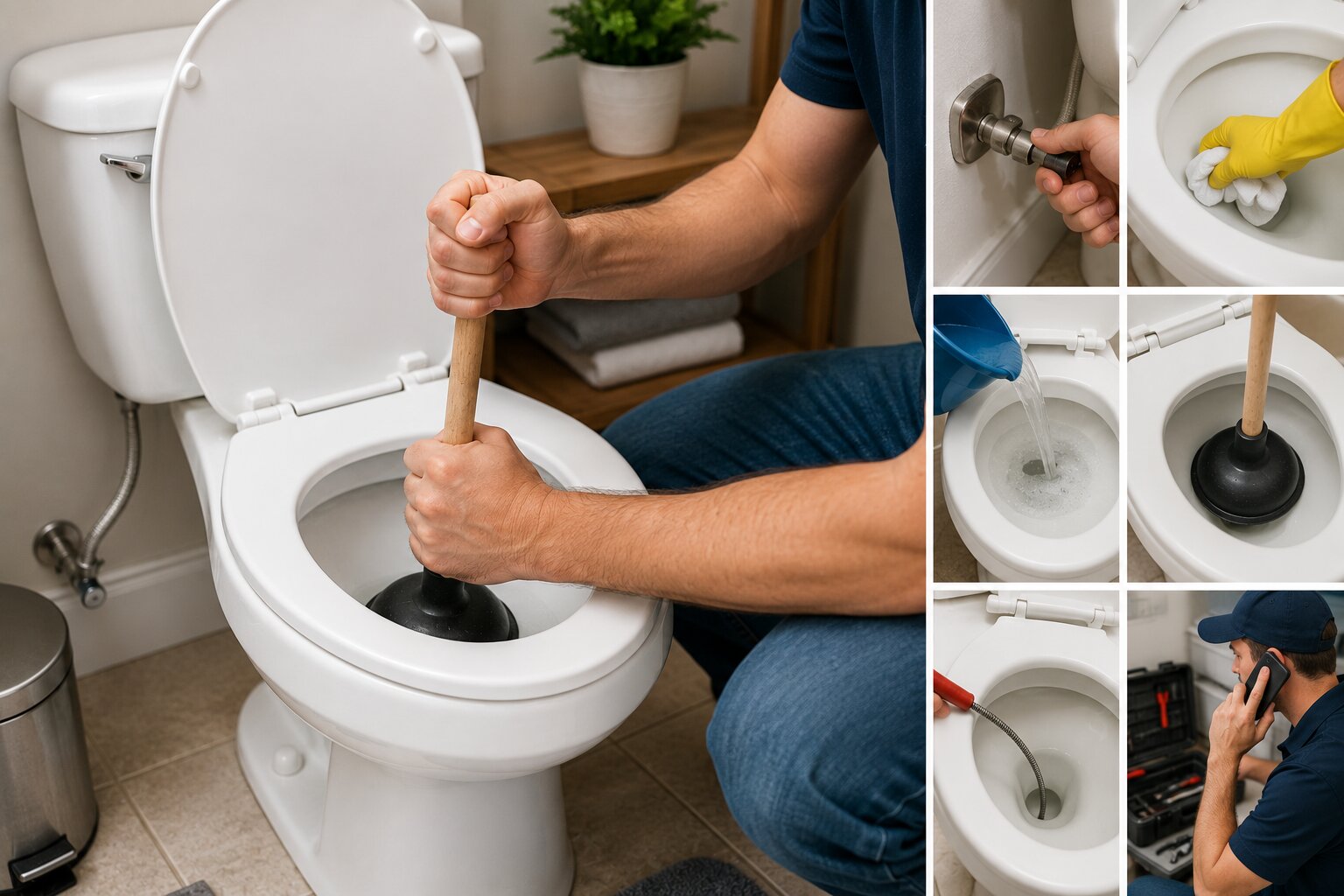
- Try a plunger first.
- If the plunger doesn’t unplug the drain, insert a plumber’s helper (“snake”) down the drain.
- Prevent drain clogs by putting a lint trap on your washing machine discharge hose.
- Regular drain maintenance can help extend the life of your plumbing system and reduce the risk of costly repairs. Never pour paint, solvents, or other harsh chemicals down household drains, as they can damage pipes and harm the environment. In the kitchen, allow grease and cooking oil to cool before disposing of them in the trash instead of rinsing them down the sink.
- Pay attention to unpleasant odors coming from your drains, as they may indicate a developing blockage or buildup inside the pipes. Flushing your drains with hot water occasionally can help wash away small amounts of soap residue and grease before they become a larger problem.
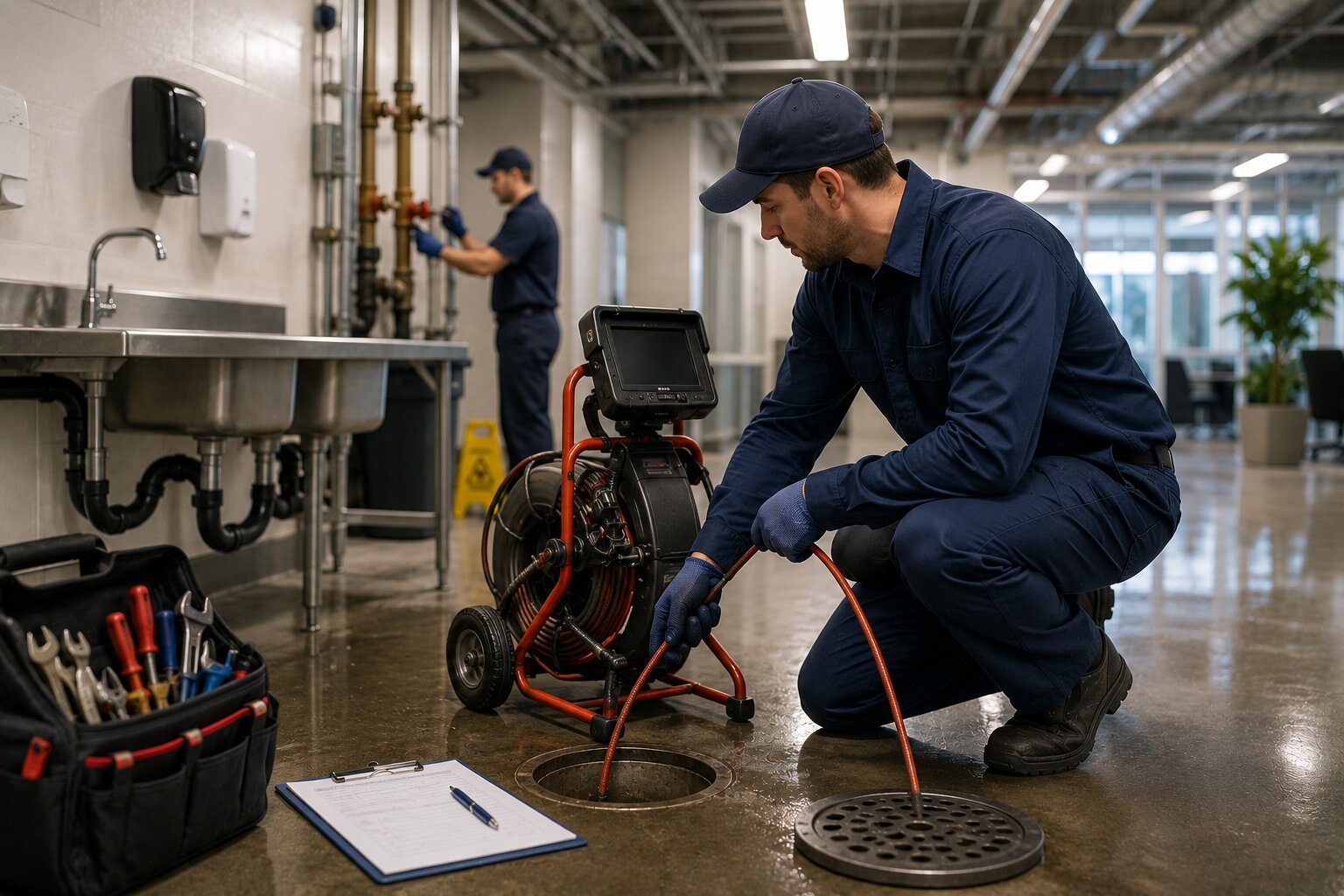
- If several drains in your home begin draining slowly at the same time, the issue may be in your main sewer line rather than a single fixture. In this case, it is best to contact a professional plumber instead of attempting repeated DIY solutions.
- Scheduling a professional drain inspection every few years is another excellent way to identify hidden problems such as tree root intrusion, cracked pipes, or mineral buildup before they lead to serious plumbing emergencies. Preventive maintenance is often much less expensive than major drain repairs or replacements.