


Plumbing Tips – Faucets
- Repair or replace a leaky faucet promptly.
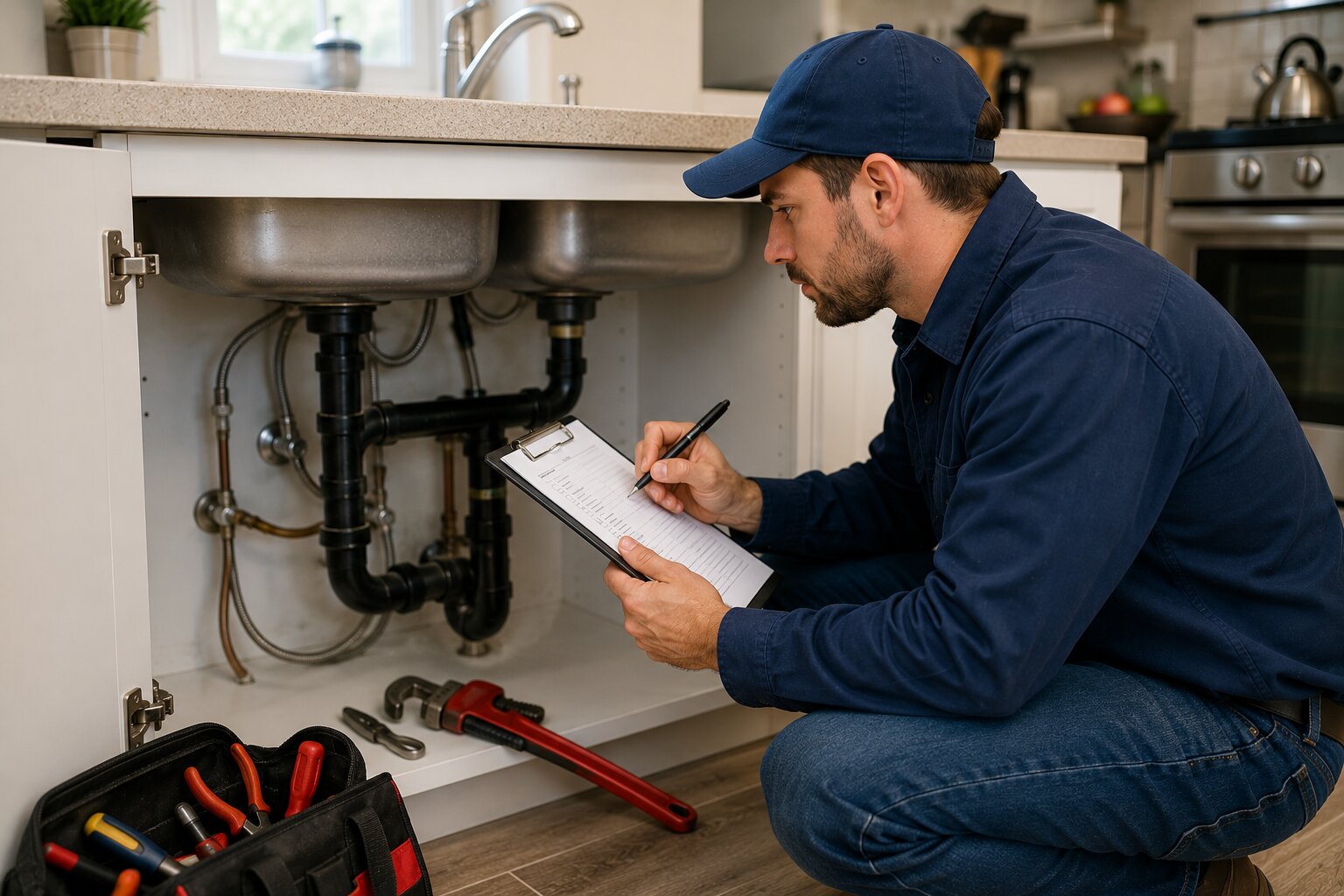
- Be sure to check under sinks for moisture or leaks. Even a slow leak can waste as much as 15 or 20 gallons of water a day. But a leak not only wastes water; it can eventually ruin your faucet or even your cabinets and floors.
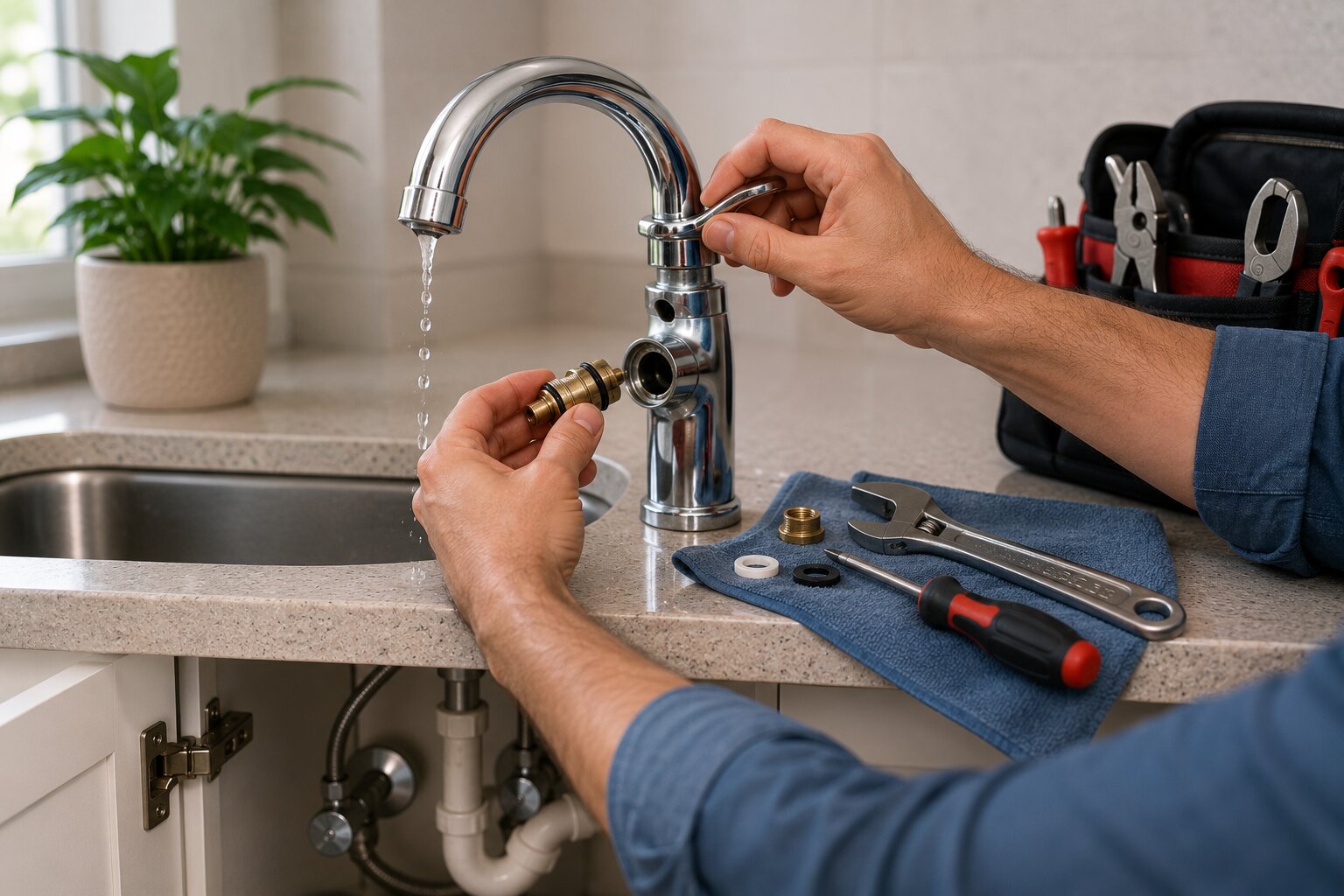
- Leaky faucets are ordinarily caused by seals which are dirty or worn. You may either clean or replace the worn parts, or you may want to install a new faucet.
- A faucet that drips or leaks continuously can increase your water bill over time, even if the leak seems minor. Regularly inspect the faucet handles, spout, and the area around the base for signs of moisture or corrosion. Catching small problems early can prevent more expensive plumbing repairs in the future.
- Hard water can also cause mineral deposits to build up around the faucet aerator, reducing water flow and pressure. Remove and clean the aerator every few months by soaking it in vinegar to dissolve any mineral buildup. This simple maintenance step helps keep your faucet operating efficiently.
- Avoid turning faucet handles too tightly when shutting off the water, as excessive force can wear out internal components more quickly. If you notice unusual noises, reduced water pressure, or rust-colored water coming from the faucet, it may be a sign that repairs or replacement are needed. When basic maintenance does not solve the problem, contacting a professional plumber can help ensure the issue is repaired correctly and prevent further damage to your plumbing system.
- A properly functioning faucet is an important part of every kitchen and bathroom. Regular maintenance helps ensure smooth operation, prevents water waste, and extends the life of your plumbing fixtures. Taking a few minutes every month to inspect your faucets can help identify small issues before they become expensive repairs.
- Even a slow drip can waste a surprising amount of water over time, increasing your monthly utility bills and placing unnecessary strain on your plumbing system. Water leaking around the base of a faucet or beneath the sink can also damage cabinets, countertops, flooring, and drywall if left untreated. Addressing leaks as soon as they appear can save both water and money.
- Many faucet problems occur because internal components such as washers, O-rings, seals, or cartridges gradually wear out with regular use. In homes with hard water, mineral deposits can build up inside the faucet and aerator, restricting water flow and reducing pressure. Cleaning the aerator every few months by soaking it in white vinegar is a simple way to remove mineral buildup and maintain consistent water flow.
- It is also important to inspect the flexible supply lines connected beneath the sink. Look for signs of corrosion, cracks, bulging, or moisture around the fittings. Replacing worn supply lines before they fail can prevent unexpected leaks and costly water damage. Tightening loose connections should be done carefully to avoid damaging the fittings.
- When cleaning your faucet, avoid abrasive cleaners or rough scrubbing pads that can scratch the finish. Instead, use warm water, mild soap, and a soft cloth to keep the surface clean. Drying the faucet after use can reduce water spots and help prevent mineral deposits from forming, especially in areas with hard water.
- Avoid using excessive force when turning faucet handles on or off. Overtightening can wear out internal components more quickly and shorten the lifespan of the fixture. If a faucet becomes difficult to turn, squeaks during operation, or continues dripping after it has been shut off, it may require repair or replacement.
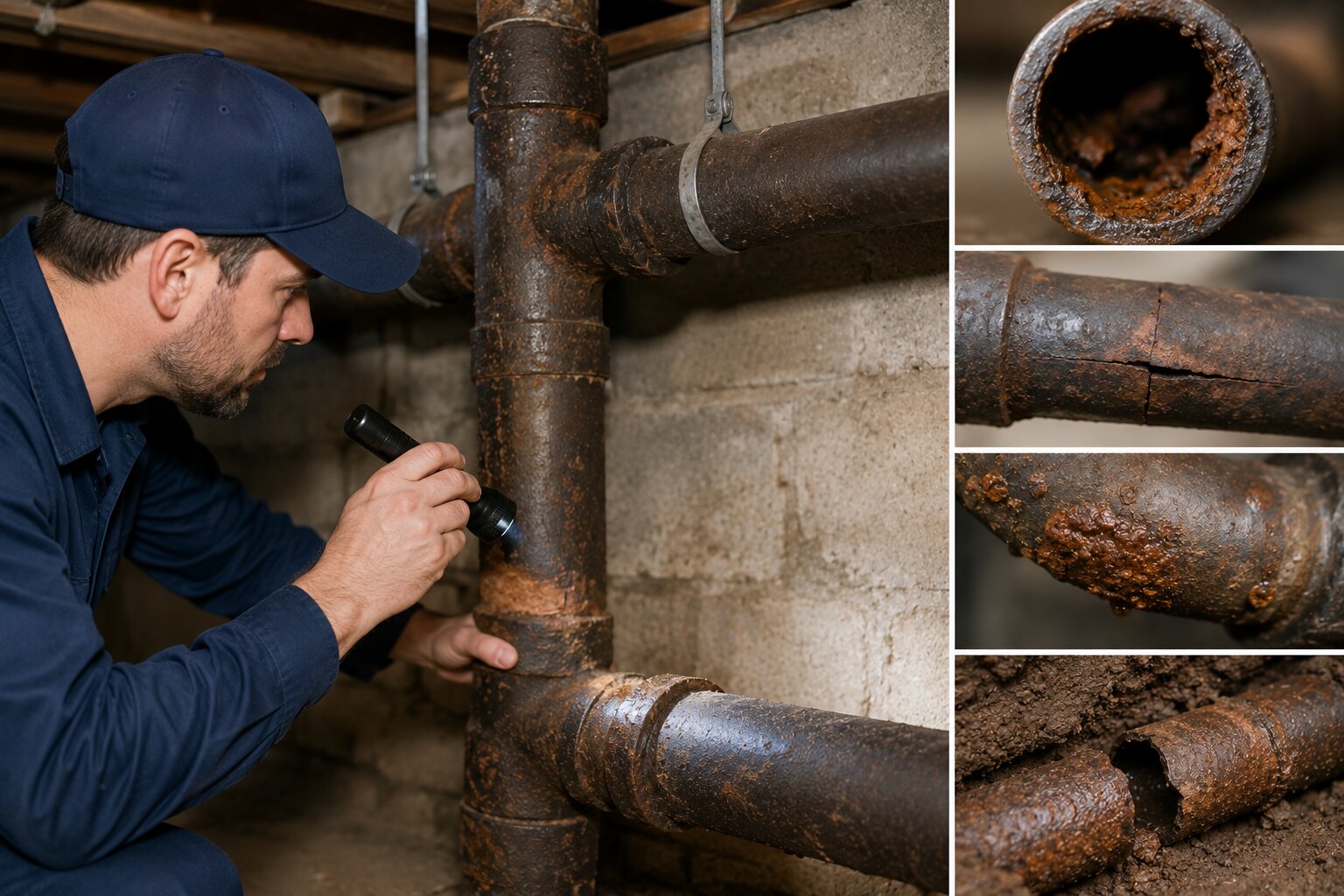
- Watch for warning signs such as reduced water pressure, unusual noises, rust-colored water, visible corrosion, or moisture around the base of the faucet. These issues often indicate underlying plumbing problems that should be addressed before they worsen. Ignoring these symptoms can eventually lead to larger repairs involving water lines or damaged fixtures.
- If your faucet is old, frequently leaks, or requires repeated repairs, replacing it with a modern water-efficient model may be the best long-term solution. Newer faucets are designed to conserve water while maintaining strong performance, helping reduce water consumption without sacrificing convenience.
- Routine inspections, simple cleaning, and timely repairs can significantly extend the life of your faucets and improve the overall efficiency of your plumbing system. When basic maintenance is not enough or the source of the problem is unclear, contacting a professional plumber ensures the issue is diagnosed correctly and repaired safely, helping protect your home from unnecessary water damage and future plumbing expenses.